Sternoclavicular Joint Reconstruction
Colorado Springs Orthopaedic Group
Your shoulder is one of the body's most mobile joints, allowing you to reach, lift, rotate, and perform countless everyday movements. Because of this mobility, the shoulder can also be susceptible to injuries, overuse, arthritis, and other conditions that cause pain and limit movement.
CSOG provides comprehensive evaluation and treatment for a wide range of shoulder conditions, from sports injuries and tendon problems to arthritis, instability, and fractures. Depending on your condition, treatment may include physical therapy, activity modification, medications, injections, minimally invasive procedures, or surgery.
Our shoulder specialists take the time to understand your symptoms, activity level, and goals so you can receive treatment designed to reduce pain, improve function, and help you get back to the activities that are important to you.
What is Sternoclavicular Joint Reconstruction?
Sternoclavicular joint reconstruction is a surgical procedure employed to repair and restore full function of a damaged sternoclavicular joint.
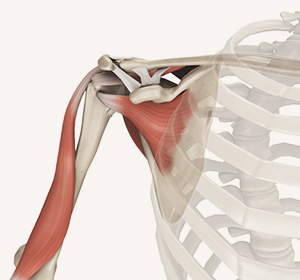
The sternoclavicular (SC) joint is the joint between the breastbone (sternum) and the collar bone (clavicle). Injuries to this joint are called sternoclavicular joint injuries and can include stretching or tearing of the ligaments. It is usually caused due to severe trauma or a direct blow to the side of your body such as in motor vehicle accidents or contact sports.
What is Anatomy of the SC Joint?
The SC joint is one of the 4 joints that complete the shoulder and is the only joint that links the arm to the body. Like any other joints, the SC joint is covered by articular cartilage that helps the bones slide effortlessly along each other during arm and shoulder movement. Tough connective tissue known as ligaments surrounds the SC joint providing stability and strength.
What are the Indications for Sternoclavicular Joint Reconstruction?
Sternoclavicular joint reconstruction is indicated when conservative treatment fails to alleviate symptoms of sternoclavicular injury or if you have an irreducible or recurrent posterior instability or chronic and symptomatic anterior instability of the shoulder.
What is the Procedure for Sternoclavicular Joint Reconstruction?
The surgery is performed under general anesthesia. A transverse incision is made right below the medial end of the clavicle. A vertical incision is made in the capsule of the sternoclavicular joint and the status of the intra-articular disc is evaluated. The tendon of the sternal head of the sternocleidomastoid muscle is exposed and its quality and thickness are assessed before transfer. The tendon is separated from the muscle. A drill hole is made in the medial end of the clavicle. The hole is placed lateral to the attachment of the capsule. The tendon is passed through the capsule and then pulled through the drill-hole in the clavicle. The remaining tendon is passed through the capsule again before being returned to its site of insertion. The tendon is then pulled to reduce the joint and secured with sutures. The overlying tissues are closed in layers and the skin is closed with absorbable sutures.
What Does Postoperative Care for Sternoclavicular Joint Reconstruction Involve?
In general, postoperative care instructions and recovery after sternoclavicular joint reconstruction involves the following:
- You will be transferred to the recovery area to be monitored until you are awake from the anesthesia.
- Your nurse will monitor your blood oxygen level and other vital signs as you recover.
- You will notice some pain and discomfort in the shoulder area. Medications will be provided for comfort.
- Apply ice packs on the shoulder to help reduce the swelling.
- Use a pillow under your shoulder while lying in bed for comfort.
- Medications will also be prescribed as needed for symptoms associated with anesthesia, such as vomiting and nausea.
- Keep your surgical site clean and dry. Instructions on surgical site care and bathing will be provided.
- Refrain from smoking as it can negatively affect the healing process.
- Eating a healthy diet rich in vitamin D is strongly advised to promote healing and a faster recovery.
- Refrain from strenuous activities, lifting heavy weights, and driving for the first 6 weeks. Gradual increase in activities over a period of time is recommended.
- An individualized physical therapy protocol is designed to help strengthen shoulder muscles and optimize shoulder function.
- You will be able to return to your normal activities in a couple of months; however, return to sports may take 4 to 6 months.
- A follow-up appointment will be scheduled to monitor your progress.
What are the Risks and Complications of Sternoclavicular Joint Reconstruction?
As with any surgery, some of the potential complications of SC joint reconstruction may include:
- Infection
- Bleeding
- Stiffness or restricted movement
- Damage to adjacent soft tissue structures
- Anesthetic complications
- Migration of hardware
- Recurrence of dislocation
- Sternoclavicular arthritis
- Non-cosmetic results
What are the Benefits of Sternoclavicular Joint Reconstruction?
Some of the benefits of SC joint reconstruction include:
- Provides a good anatomic reconstruction of the joint
- Reinforces the relationship between the sternum and clavicle and fully resolves any instability
- Minimal damage to proximal neurovascular structures
- Promotes tissue integration and maximizes healing potential
For more information about our services or to schedule an appointment, call us at or click here to request an appointment online. We'll respond to you as soon as possible.
-
Send a Referral
-
Send Medical Records
-
Additional InquiresEmail us at [email protected]