Nerve Transfers
Colorado Springs Orthopaedic Group
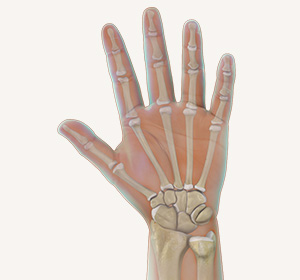
Your hands and wrists play an important role in nearly everything you do, from working and exercising to performing everyday activities. Injuries, arthritis, nerve conditions, tendon problems, and other disorders can cause pain, weakness, stiffness, or loss of function.
CSOG provides comprehensive care for conditions affecting the hand, wrist, fingers, and surrounding structures. Our specialists offer a range of nonsurgical and surgical treatments, including therapy, injections, minimally invasive procedures, and advanced surgical techniques when appropriate.
Whether you are dealing with a new injury or a condition that has gradually affected your function, our team will evaluate your individual needs and develop a treatment plan focused on relieving symptoms, restoring function, and helping you return to the activities you enjoy.
What is a Nerve Transfer?
A nerve transfer is a surgical procedure in which a portion of a healthy nerve is transferred to the site of a damaged nerve. This procedure is performed to restore normal function at the injured site. Healthy nerves that are near the site of injury and have a similar function to the injured nerve are ideally selected as donor's nerves to improve surgical outcomes.
Indications for Nerve Transfer
Indications for nerve transfer include:
- Proximal peripheral nerve injury
- Upper limb trauma with damage to nerves
- Brachial plexus injury
- Spinal cord root avulsion injury
- Partial nerve injury
- Failed primary nerve repair
- Segmental nerve loss
Preparation for Nerve Transfer
In preparation for a nerve transfer you should:
- Inform your doctors of any preexisting medical conditions and medications you are on as certain medications may need to be discontinued a few days before surgery.
- Inform your doctor of any allergies that you have.
- Follow any specific instructions given by your surgeon that may be applicable to your condition.
Procedure for Nerve Transfer
The nerve transfer is usually performed using microsurgery techniques.
- General anesthesia will be administered.
- A small incision will be made on the skin at the target site and at the site of injury
- Using an electrical stimulus, the function of both nerves will be monitored.
- Your doctor will mobilize and excise the donor nerve from its site and will transfer it near to the injured nerve.
- The end of the donor nerve (healthy nerve) is joined to the injured nerve from which healthy nerve fibers develop.
- Your doctor will then suture the incisions closed following the procedure.
Post-operative Care Instructions for Nerve Transfer
After the surgery, your doctor will dress the incision site with a bulky dressing to limit movement and be removed after 3 weeks. You may be provided with non-steroidal pain medications to relieve pain. Your surgeon will order physical therapy to help retrain your brain to use the transferred nerve.
Risks and Complications of Nerve Transfer
Risks and complications of nerve transfer include:
- Bleeding
- Allergy
- Infection
- Failed nerve regeneration
For more information about our services or to schedule an appointment, call us at or click here to request an appointment online. We'll respond to you as soon as possible.
-
Send a Referral
-
Send Medical Records
-
Additional InquiresEmail us at [email protected]