Non-surgical Shoulder Treatments
Colorado Springs Orthopaedic Group
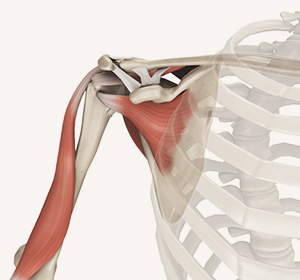
Your shoulder is one of the body's most mobile joints, allowing you to reach, lift, rotate, and perform countless everyday movements. Because of this mobility, the shoulder can also be susceptible to injuries, overuse, arthritis, and other conditions that cause pain and limit movement.
CSOG provides comprehensive evaluation and treatment for a wide range of shoulder conditions, from sports injuries and tendon problems to arthritis, instability, and fractures. Depending on your condition, treatment may include physical therapy, activity modification, medications, injections, minimally invasive procedures, or surgery.
Our shoulder specialists take the time to understand your symptoms, activity level, and goals so you can receive treatment designed to reduce pain, improve function, and help you get back to the activities that are important to you.
What Do Non-surgical Shoulder Treatments Involve?
Shoulder injuries can often be treated by non-surgical methods including the following:
Resting the Affected Shoulder
Rest plays an important role in restoring shoulder health and shouldn’t be taken lightly. Usually, a sling is worn to keep the arm immobile and stable. You should try to avoid using the injured arm as straining the injured shoulder may lead to future complications. Physical rest can also help keep inflammation under control.
Ice and Heat Treatment
Ice causes vasoconstriction which minimizes the flow of blood and lymph fluids to the area thereby reducing inflammation and pain. Application of an ice pack over the affected area in 20-minute intervals during the first 48 hours, along with elevating the shoulder above the heart can help reduce inflammation and pain in the region. Once the inflammation recedes, the application of heat can help improve the blood flow around the region to promote healing.
In addition, we offer an extensive series of nonsurgical treatment methods to help you reduce your pain and restore your shoulder function. These include:
Medications
This often involves the use of analgesics and anti-inflammatory drugs to help relieve pain and swelling. In some cases, oral steroids may be prescribed to ease the pain and reduce inflammation.
Cortisone Injections
Cortisone injections are steroids that are injected into the concerned joint space, bursa, or the region around a swollen tendon. This helps in reducing the inflammation quickly and easing pain. In some cases, imaging techniques such as ultrasound may be used by your doctor to guide the needle to the exact location while injecting the medication.
Physical Therapy
Physical therapy is beneficial to shoulder restoration. The therapy can help in strengthening the shoulder joint and restoring its functionality. It can also help with the prevention of recurring shoulder pain after the injury is treated. Moreover, physical therapy can help you learn proper shoulder movements, lifting techniques, and exercises that help reduce unnecessary strain on the joint during every-day activities again preventing future discomfort or injury.
For more information about our services or to schedule an appointment, call us at or click here to request an appointment online. We'll respond to you as soon as possible.
-
Send a Referral
-
Send Medical Records
-
Additional InquiresEmail us at [email protected]