Acromioclavicular Joint Sprains
Colorado Springs Orthopaedic Group
Your shoulder is one of the body's most mobile joints, allowing you to reach, lift, rotate, and perform countless everyday movements. Because of this mobility, the shoulder can also be susceptible to injuries, overuse, arthritis, and other conditions that cause pain and limit movement.
CSOG provides comprehensive evaluation and treatment for a wide range of shoulder conditions, from sports injuries and tendon problems to arthritis, instability, and fractures. Depending on your condition, treatment may include physical therapy, activity modification, medications, injections, minimally invasive procedures, or surgery.
Our shoulder specialists take the time to understand your symptoms, activity level, and goals so you can receive treatment designed to reduce pain, improve function, and help you get back to the activities that are important to you.
What is Acromioclavicular Joint Sprain?
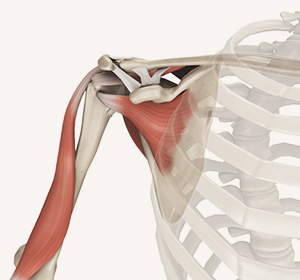
The collarbone and the shoulder blade are connected by the acromioclavicular joint. This is supported by a strong band of ligaments called the acromioclavicular and coracoclavicular ligaments. These ligaments are tightly wound around the bones, providing strength and support to the joint. An injury or tear of these ligaments can result in an acromioclavicular joint sprain.
What are the Causes of Acromioclavicular Joint Sprain?
Common causes of an acromioclavicular joint sprain include:
- Involuntary twisting of the joint during routine activities
- Traumatic injury to the joint due to fall or an accident
- Participation in contact sports such as alpine skiing, jet skiing, football, rugby, and wrestling.
What are the Symptoms of Acromioclavicular Joint Sprain?
Signs and symptoms of an acromioclavicular sprain include:
- Slight swelling and tenderness at the outside tip of your collar bone
- Joint stiffness
- Pain
- Bruising
How is Acromioclavicular Joint Sprain Diagnosed?
Your doctor will review your symptoms and medical history and perform a thorough physical examination to assess the range of motion, stability, and strength of the muscle. Additional diagnostic tests may be ordered, including X-rays, MRI, or CT scans to identify bone and soft tissue abnormalities.
What is the Treatment for Acromioclavicular Joint Sprain?
Conservative treatment methods are usually quite effective in minor cases; however severe acromioclavicular ligament injuries will need surgical intervention. The common treatment methods include:
Conservative Method
- Medications: These include prescribed anti-inflammatory pain medications such as ibuprofen or naproxen, that may help reduce the swelling and pain.
- Rest: You will be instructed to avoid activities that might trigger pain and to use a sling to immobilize your shoulder and arm if needed.
- Application of ice packs: An ice pack can be applied for 15-20 minutes at a time to help reduce swelling and pain.
- Physical therapy: You may be advised to practice specific exercises on a daily basis to help regain your shoulder strength.
Most people are able to return to their normal functions and contact sports after 3 months of conservative treatment with almost no symptoms.
Surgical Method
Surgical treatment methods are usually reserved for cases of severe acromioclavicular joint injury. Your surgeon will make small incisions over the joint, through which specialized instruments will be inserted to repair and reattach torn ligaments and stabilize the bones. Normally, the surgery is followed by a brief period of rehabilitation to help restore joint strength, motion, and flexibility.
How Can Acromioclavicular Joint Sprains Be Prevented?
Sprains and other shoulder injuries can be prevented to some extent by using proper protective gear during sports and other physical activities. In cases where the sprain has already occurred, rest and strengthening exercises should be practiced after consulting with your doctor to avoid a worsening of the condition.
For more information about our services or to schedule an appointment, call us at or click here to request an appointment online. We'll respond to you as soon as possible.
-
Send a Referral
-
Send Medical Records
-
Additional InquiresEmail us at [email protected]