Rotator Cuff Bursitis
Colorado Springs Orthopaedic Group
Your shoulder is one of the body's most mobile joints, allowing you to reach, lift, rotate, and perform countless everyday movements. Because of this mobility, the shoulder can also be susceptible to injuries, overuse, arthritis, and other conditions that cause pain and limit movement.
CSOG provides comprehensive evaluation and treatment for a wide range of shoulder conditions, from sports injuries and tendon problems to arthritis, instability, and fractures. Depending on your condition, treatment may include physical therapy, activity modification, medications, injections, minimally invasive procedures, or surgery.
Our shoulder specialists take the time to understand your symptoms, activity level, and goals so you can receive treatment designed to reduce pain, improve function, and help you get back to the activities that are important to you.
What is Rotator Cuff Bursitis?
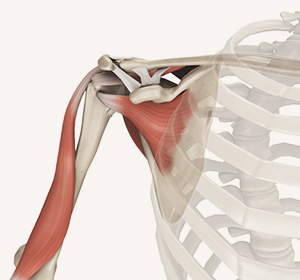
The rotator cuff is a set of muscles and tendons which hold the various bones of the shoulder joint together, providing strength and support. Inflammation of the bursa, a fluid-filled sac between the rotator cuff tendons and a bony process at the top of the shoulder called the acromion, is known as shoulder bursitis or rotator cuff bursitis. It is often accompanied by inflammation of the tendons or rotator cuff tendonitis. The inflamed bursae and tendons can become compressed between the bones of the acromion and the upper arm, which is called shoulder impingement.
What are the Causes of Rotator Cuff Bursitis?
Rotator cuff bursitis and tendonitis are generally caused by repeated minor or unnoticed injuries to the shoulder joint, from overuse associated with certain professions or sports activities. They may also be caused by high-impact trauma during a fall or motor vehicle accident.
Other causes include:
- Bony growths of the acromion process
- The natural degeneration of tendons due to age, particularly in people over 40.
What are the Symptoms of Rotator Cuff Bursitis?
Signs and symptoms of rotator cuff bursitis include:
- Pain
- Tenderness
- Swelling
- Redness in the shoulder
How is Rotator Cuff Bursitis Diagnosed?
Your doctor will review your symptoms and medical history and perform a thorough physical examination to assess range of motion, blood flow, stability, and strength of the joint. Other diagnostic tests may include:
- X-ray
- MRI
- CT scan
- MRI scan
- Ultrasound
Your doctor may give an injection of an anesthetic drug in the space below the acromion to offer relief for the pain. If the pain is relieved, it indicates that the issue was tissue impingement due to bursitis or tendinitis.
What is the Treatment for Rotator Cuff Bursitis?
Rotator cuff bursitis can usually be treated with conservative measures such as rest, ice, over-the-counter pain medication, and lessening the pressure on the affected area by using a sling, walking cane, or other assistive devices. If these measures fail, you might require:
- Prescription pain medications including corticosteroid drugs to reduce inflammation and swelling, and antibiotics to treat infection
- Physical therapy to strengthen the muscles that surround the joint
- Injection of a steroid/anesthetic combination into the bursa
- Incision and drainage of the bursa to reduce swelling
Healing with conservative methods usually takes a few months. If these measures fail to produce a result, your doctor may recommend surgical treatment. The surgical procedure may be conducted either as an open surgery or arthroscopically. The procedure involves the removal of any bony overgrowths on the front end of the acromion bone or addresses any inflammation of the bursae in order to create more space for the rotator cuff and enable unrestricted movement of the joint.
For more information about our services or to schedule an appointment, call us at or click here to request an appointment online. We'll respond to you as soon as possible.
-
Send a Referral
-
Send Medical Records
-
Additional InquiresEmail us at [email protected]