Baseball and Shoulder Injuries
Colorado Springs Orthopaedic Group
Your shoulder is one of the body's most mobile joints, allowing you to reach, lift, rotate, and perform countless everyday movements. Because of this mobility, the shoulder can also be susceptible to injuries, overuse, arthritis, and other conditions that cause pain and limit movement.
CSOG provides comprehensive evaluation and treatment for a wide range of shoulder conditions, from sports injuries and tendon problems to arthritis, instability, and fractures. Depending on your condition, treatment may include physical therapy, activity modification, medications, injections, minimally invasive procedures, or surgery.
Our shoulder specialists take the time to understand your symptoms, activity level, and goals so you can receive treatment designed to reduce pain, improve function, and help you get back to the activities that are important to you.
What is Anatomy of the Shoulder?
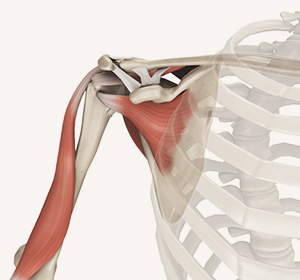
The shoulder is a ball and socket joint, formed by the bone of the upper arm (humerus), which articulates with the shoulder blade in a cavity called the glenoid fossa.
The joint relies a great deal on surrounding soft-tissue structures such as tendons, ligaments, and muscles (rotator cuff muscles) to maintain smooth motion and stability. The glenoid cavity is surrounded by a raised ridge of cartilage called the labrum that deepens the cavity and a ligamentous structure called the shoulder capsule that centers the humerus in the cavity. The biceps muscle, certain back muscles, as well as a group of muscles, called the rotator cuff all work together to stabilize the shoulder.
What are Baseball Shoulder Injuries?
Shoulder injuries in baseball players are usually associated with pitching. While this overhand throwing activity can produce great speed and distance for the ball, when performed repeatedly, can place a lot of stress on the shoulder. While pitching, the arm is thrown outward and backward to generate speed. This action forces the head of the humerus forward, stressing the surrounding ligaments and tendons. These stresses can lead to injuries, causing pain and inflammation.
What are Common Baseball Shoulder Injuries?
The common baseball injuries include:
- Tears of the labrum
- Tendonitis (inflammation of the tendons) and tears of the rotator cuff
- Tendonitis and tears of the biceps tendon
- Impingement of the rotator cuff tendons between the humeral head and glenoid
- Partial dislocation of the joint (instability)
Pain and instability of the shoulder can result in reduced throwing velocity and accuracy.
How are Baseball Shoulder Injuries Diagnosed?
Your doctor will assess your shoulder injury by reviewing your pain and the movements that produce it and performing a thorough physical examination. Imaging studies such as X-rays and MRIs may be ordered.
What are the Treatments for Baseball Shoulder Injuries?
Most shoulder injuries involve soft tissue structures that can be treated by a period of rest, ice application, medication and physical therapy to stretch and strengthen the muscles and ligaments, improving and maintaining range of motion. A change in throwing technique may be suggested to reduce stress on the injured shoulder.
For more information about our services or to schedule an appointment, call us at or click here to request an appointment online. We'll respond to you as soon as possible.
-
Send a Referral
-
Send Medical Records
-
Additional InquiresEmail us at [email protected]