Capsular Release
Colorado Springs Orthopaedic Group
Your shoulder is one of the body's most mobile joints, allowing you to reach, lift, rotate, and perform countless everyday movements. Because of this mobility, the shoulder can also be susceptible to injuries, overuse, arthritis, and other conditions that cause pain and limit movement.
CSOG provides comprehensive evaluation and treatment for a wide range of shoulder conditions, from sports injuries and tendon problems to arthritis, instability, and fractures. Depending on your condition, treatment may include physical therapy, activity modification, medications, injections, minimally invasive procedures, or surgery.
Our shoulder specialists take the time to understand your symptoms, activity level, and goals so you can receive treatment designed to reduce pain, improve function, and help you get back to the activities that are important to you.
What is Capsular Release?
A capsular release of the shoulder is surgery performed to release a tight and stiff shoulder capsule, a condition called frozen shoulder or adhesive capsulitis. The procedure is usually performed arthroscopically through keyhole-size incisions.
What is the Anatomy of the Shoulder?
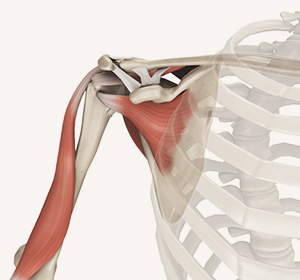
The shoulder is formed by 3 bones; humerus (upper arm bone), scapula (shoulder blade), and clavicle (collarbone). The head of the upper arm bone fits into the socket of the shoulder blade forming a ball-and-socket joint. Tough connective tissue known as the shoulder capsule surrounds the joint. For free movement of the shoulder, the shoulder capsule and joint are lubricated by synovial fluid.
What are the Causes of Frozen Shoulder?
The causes of frozen shoulder are not fully known. It occurs more in women and those between the ages of 40 to 60. Some of the medical conditions that can increase your risk of developing frozen shoulder include:
- Diabetes
- Heart disease
- Thyroid disease
- Parkinson’s disease
- Stroke
When is Capsular Release Indicated?
Capsular release of the shoulder is indicated when non-invasive and conservative approaches fail to mitigate symptoms of frozen shoulder such as pain and stiffness. Your doctor may recommend a capsular release of the shoulder in the following cases:
- Failure of steroid injections
- Failure of invasive treatments such as manipulation under anesthesia or joint distension
- Failure of a rehabilitation program
- When steroid treatment is contraindicated
- If you wish to expedite recovery
What Happens During Capsular Release of the Shoulder?
Capsular release of the shoulder can be performed endoscopically or through open surgery; however, arthroscopic capsular release is the most common technique employed for capsular release due to its advantages.
The procedure will be performed under anesthesia while you are awake and seated in a beach-chair position. After adequately sterilizing the surgical area, a few keyhole-size incisions will be made through which the arthroscope and tiny cutting instruments are inserted. Your surgeon will look inside your shoulder and surgically release the scarred and tight shoulder capsule preventing free shoulder movement. Your surgeon will then gently stretch your shoulder joint through its full range of motion breaking any adhesions that are still tight. The instruments are then removed and the incisions closed.
What Does Postoperative Care for Capsular Release of the Shoulder Involve?
Post surgery, you will be taken to the recovery room. You will have dressings on the operative site which should remain dry. Applying an ice pack for 10 to 15 minutes a few times a day can reduce soreness and pain. Your doctor will also prescribe medications. You will receive instructions on proper posture, sleeping position, and physical therapy that need to be diligently followed for a complete recovery.
What are the Advantages of Arthroscopic Capsular Release?
The advantages of arthroscopic capsular release include the following:
- Performed under anesthesia while you remain awake
- Results in a controlled and precise release of the ligaments and capsule
- Bleeding and soft-tissue trauma is minimal
- Formation of adhesions that can interfere with shoulder movement is prevented
- Labral or rotator cuff injuries and bone fractures are avoided
What are the Risks and Complications Associated with Capsular Release?
As with most surgeries, there are risks and complications that may occur during arthroscopic capsular release, such as:
- Infections
- Anesthetic risks
- Re-stiffening of the joints
- Increased or persistent shoulder pain and stiffness
- Fracture
- Damage to nerves and blood vessels
- Blood clots
- Excessive looseness and shoulder instability
- Need to repeat surgery
For more information about our services or to schedule an appointment, call us at or click here to request an appointment online. We'll respond to you as soon as possible.
-
Send a Referral
-
Send Medical Records
-
Additional InquiresEmail us at [email protected]