Broken Wrist
Colorado Springs Orthopaedic Group
Your hands and wrists play an important role in nearly everything you do, from working and exercising to performing everyday activities. Injuries, arthritis, nerve conditions, tendon problems, and other disorders can cause pain, weakness, stiffness, or loss of function.
CSOG provides comprehensive care for conditions affecting the hand, wrist, fingers, and surrounding structures. Our specialists offer a range of nonsurgical and surgical treatments, including therapy, injections, minimally invasive procedures, and advanced surgical techniques when appropriate.
Whether you are dealing with a new injury or a condition that has gradually affected your function, our team will evaluate your individual needs and develop a treatment plan focused on relieving symptoms, restoring function, and helping you return to the activities you enjoy.
What is a Broken Wrist?
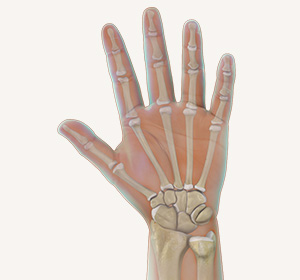
A broken wrist, also known as a wrist fracture, typically refers to a break in one or more bones of the wrist joint. Wrist fractures are prevalent in both children and adults, often resulting from falls, sports injuries, or high-impact trauma such as car accidents.
Types of Wrist Fractures
The common types of wrist fracture include:
- Distal Radius Fracture: This fracture occurs near the end of the radius bone. Colles' fracture is a specific type of fracture where the broken fragment of the radius tilts upwards.
- Ulna Fracture: This fracture often occurs in conjunction with a distal radius fracture.
- Scaphoid Fracture: This fracture involves the scaphoid bone, one of the small bones in the wrist, and is common among athletes.
- Carpal Bone Fractures: These are less common and include fractures of the lunate, triquetrum, and other carpal bones.
Causes and Risk Factors of Broken Wrists
Wrist fractures usually result from a fall onto an outstretched hand. Other common causes include direct blows to the wrist, accidents, and sports injuries. Risk factors include:
- Osteoporosis: Weakened bones are more susceptible to fractures.
- Age: Elderly individuals are more prone due to decreased bone density.
- Sports Participation: Activities that involve a high risk of falls or direct impact.
- Certain Medical Conditions: Conditions like rheumatoid arthritis weaken bones and joints.
Symptoms of a Broken Wrist
A broken wrist typically presents with the following symptoms:
- Pain: Severe pain at the site of the fracture, which may worsen with movement.
- Swelling and Bruising: Around the wrist and sometimes the hand.
- Deformity: Visible deformity or abnormal positioning of the wrist.
- Loss of Function: Difficulty in moving the wrist or hand, and sometimes numbness or tingling if the nerves are affected.
Diagnosis of a Broken Wrist
Diagnosing a wrist fracture involves a combination of physical examination and imaging studies:
- Physical Examination: This is done to check for tenderness, swelling, and deformity.
- X-rays: This is the primary imaging tool to confirm the fracture and assess its extent.
- CT Scans and MRI: These imaging studies are used in complex cases to evaluate soft tissue involvement or to detect fractures not visible on X-rays.
Treatment of a Broken Wrist
The treatment approach for a broken wrist depends on the type and severity of the fracture:
Non-surgical treatment options include:
- Immobilization: This involves using a cast or splint to keep the wrist in place while it heals.
- Pain Management: NSAIDs or acetaminophen may be used to alleviate pain.
- Physical Therapy: Exercises may be recommended to restore movement and strength post-immobilization.
Surgical treatment options involve the following:
- Reduction: This is the realigning of the bone fragments surgically.
- Internal Fixation: Metal pins, plates, or screws may be used to hold the bones together during healing.
- External Fixation: A stabilizing frame outside the body may be attached to the bones via pins to hold the fractured segments in place.
Complications of Broken Wrist
Potential complications from wrist fractures include:
- Malunion or Nonunion: Improper or incomplete healing of the bone.
- Arthritis: Post-traumatic arthritis may develop in the affected joint.
- Nerve Damage: Injury to the median nerve, leading to carpal tunnel syndrome.
- Stiffness and Reduced Range of Motion: Particularly if physical therapy is not adequately followed.
For more information about our services or to schedule an appointment, call us at or click here to request an appointment online. We'll respond to you as soon as possible.
-
Send a Referral
-
Send Medical Records
-
Additional InquiresEmail us at [email protected]