Shoulder Impingement
Colorado Springs Orthopaedic Group
Your shoulder is one of the body's most mobile joints, allowing you to reach, lift, rotate, and perform countless everyday movements. Because of this mobility, the shoulder can also be susceptible to injuries, overuse, arthritis, and other conditions that cause pain and limit movement.
CSOG provides comprehensive evaluation and treatment for a wide range of shoulder conditions, from sports injuries and tendon problems to arthritis, instability, and fractures. Depending on your condition, treatment may include physical therapy, activity modification, medications, injections, minimally invasive procedures, or surgery.
Our shoulder specialists take the time to understand your symptoms, activity level, and goals so you can receive treatment designed to reduce pain, improve function, and help you get back to the activities that are important to you.
What is Shoulder Impingement?
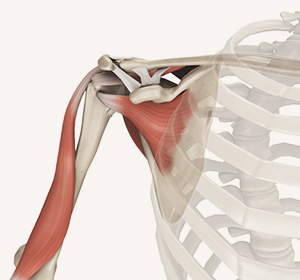
The shoulder is a ball-and-socket joint. The ball-shaped end of the upper arm bone (humerus) fits neatly into a socket, called the glenoid, which is part of the shoulder blade or scapula.
Shoulder impingement is the inflammation of the tendons of the shoulder joint. It is one of the most common causes of pain in the shoulder. Shoulder impingement is also called swimmer’s shoulder, tennis shoulder or rotator cuff tendinitis.
What are the Causes of Shoulder Impingement?
Impingement results in the young and middle-aged who engage in physical activities that require repeated overhead arm movements. The pain may be due to bursitis (inflammation of the bursa) overlying the rotator cuff or tendonitis of the cuff itself. In some circumstances, a partial tear of the rotator cuff may cause impingement pain.
What are the Symptoms of Shoulder Impingement?
Individuals with shoulder impingement may experience severe pain at rest and during activities, weakness of the arm and difficulty in raising the hand overhead.
How is Shoulder Impingement Diagnosed?
Diagnosis involves a physical examination by your doctor, where your doctor checks for the possible range of movements with the affected shoulder. X-rays and MRI scans may be ordered to view the injury and inflammation.
What are the Treatment Options for Shoulder Impingement?
Conservative Treatment Options for Shoulder Impingement
Shoulder impingement can be treated with rest, ice packs, anti-inflammatory drugs and avoiding activities involving the shoulder. Physical therapy may be advised to strengthen the muscles and steroid injections may be administered if pain persists.
Surgery for Shoulder Impingement
Arthroscopic surgery is recommended if the rotator cuff tendons are torn and to remove the bony spurs.
For more information about our services or to schedule an appointment, call us at or click here to request an appointment online. We'll respond to you as soon as possible.
-
Send a Referral
-
Send Medical Records
-
Additional InquiresEmail us at [email protected]