Arthroscopic Superior Capsular Reconstruction (SCR)
Colorado Springs Orthopaedic Group
Your shoulder is one of the body's most mobile joints, allowing you to reach, lift, rotate, and perform countless everyday movements. Because of this mobility, the shoulder can also be susceptible to injuries, overuse, arthritis, and other conditions that cause pain and limit movement.
CSOG provides comprehensive evaluation and treatment for a wide range of shoulder conditions, from sports injuries and tendon problems to arthritis, instability, and fractures. Depending on your condition, treatment may include physical therapy, activity modification, medications, injections, minimally invasive procedures, or surgery.
Our shoulder specialists take the time to understand your symptoms, activity level, and goals so you can receive treatment designed to reduce pain, improve function, and help you get back to the activities that are important to you.
What is Arthroscopic Superior Capsular Reconstruction (SCR)?
Superior Capsular Reconstruction is a surgical procedure to repair massive, irreparable rotator cuff tears. The surgery involves reconstruction of the superior capsule of the shoulder joint using an autograft (tissue from the same person) or an allograft (tissue from a donor).
What is the Anatomy of the Rotator Cuff?
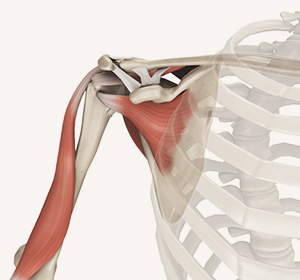
The upper part of the capsular lining of your shoulder joint is the superior capsule. A rotator cuff is a group of 4 muscles in the shoulder joint including the supraspinatus, infraspinatus, teres minor, and subscapularis. These muscles originate in the scapula and attach to the head of the humerus through tendons. The rotator cuff forms a sleeve around the humeral head and glenoid cavity, providing stability to the shoulder joint while enabling a wide range of movements.
What are the Indications for Arthroscopic SCR?
Arthroscopic SCR is indicated for massive, irreparable superior rotator cuff tears. Reconstructing the superior capsule will help restore stability to the shoulder and minimize dysfunction.
What Happens If Massive Rotator Cuff Tears are Left Untreated?
A massive rotator cuff tear is characterized by pain, increased weakness and disability. Untreated superior rotator cuff tears can cause partial dislocation of the humerus, impingement of tissues, the formation of bone spurs and osteoarthritis.
What is the Procedure for Arthroscopic SCR?
Surgery is performed through arthroscopy. An arthroscope is a small, fiber-optic instrument consisting of a lens, light source, and video camera. The camera projects images of the inside of the joint onto a large monitor, allowing your surgeon to look for any damage, assess the type of injury and repair it.
The surgical procedure involves the following steps:
- You will lie in a decubitus position (towards your side).
- You may be given general anesthesia and regional anesthesia.
- Your surgeon makes cutaneous marks for the incisions.
- A small incision is made on the skin near the shoulder joint.
- Arthroscopic portals are inserted.
- Partial repair of the rotator cuff is performed.
- The bones of the shoulder joint are prepared for graft placement.
- Suture anchors are placed.
- The graft is passed and secured with sutures.
- The suture strands are secured further by lateral anchors (double row technique).
- Your surgeon assures that the graft is secured to the humeral head.
- A final assessment of the shoulder is performed, and the incision is closed.
What Does Recovery after Arthroscopic SCR Involve?
Your doctor will prescribe pain medicines as needed. Your shoulder is supported with a sling for about 6 weeks. Your physiotherapist will teach specific physical exercises to help you recover sooner.
What are the Risks and Complications of Arthroscopic SCR?
As with any surgery, there are risks and complications that may occur. Those related to superior capsular reconstruction may include:
- Anesthetic complications
- Infection
- Nerve damage
- Stiffness
- Tendon re-tear
For more information about our services or to schedule an appointment, call us at or click here to request an appointment online. We'll respond to you as soon as possible.
-
Send a Referral
-
Send Medical Records
-
Additional InquiresEmail us at [email protected]