Shoulder Ligament Injuries
Colorado Springs Orthopaedic Group
Your shoulder is one of the body's most mobile joints, allowing you to reach, lift, rotate, and perform countless everyday movements. Because of this mobility, the shoulder can also be susceptible to injuries, overuse, arthritis, and other conditions that cause pain and limit movement.
CSOG provides comprehensive evaluation and treatment for a wide range of shoulder conditions, from sports injuries and tendon problems to arthritis, instability, and fractures. Depending on your condition, treatment may include physical therapy, activity modification, medications, injections, minimally invasive procedures, or surgery.
Our shoulder specialists take the time to understand your symptoms, activity level, and goals so you can receive treatment designed to reduce pain, improve function, and help you get back to the activities that are important to you.
What are Shoulder Ligament Injuries?
Shoulder ligament injuries are injuries to the tough elastic tissues present around the shoulder that connect bones to each other and stabilize the joint. The ligaments present in the shoulder are connected to the ends of the scapula, humerus, and clavicle bones which form the shoulder complex. The extensive stretching or tearing of these ligaments from acute or chronic injuries can lead to instability in the shoulder joint.
What is Anatomy of the Shoulder?
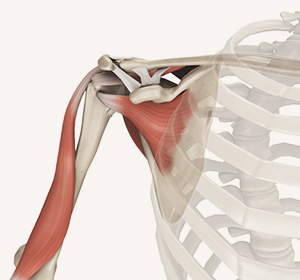
The shoulder is a ball and socket joint formed by 3 bones, the humerus (upper arm bone), scapula (shoulder blade), and clavicle (collarbone). The head of the upper arm bone fits into a rounded socket, called the glenoid, in the shoulder blade. Soft tissues like tendons, ligaments, joint capsules, and muscles surround these bones, joining them together and providing support and strength for the proper working of the shoulder.
What are the Causes of Shoulder Ligament Injuries?
Causes of shoulder ligament injuries include:
- Direct trauma to the shoulder
- Repetitive overhead arm movements
- Lifting heavyweights
- Shoulder separation caused by falling on an outstretched arm
- Torn Rotator Cuff
- Fracture
- Dislocation
What are the Symptoms of Shoulder Ligament Injuries?
Signs and symptoms of shoulder ligament injuries include:
- Trouble moving the shoulder freely
- Deformity or persistent swelling around the joint
- Tenderness, warmth, or redness around the shoulder
- Any other unusual symptoms or pain in the shoulder
How are Shoulder Ligament Injuries Diagnosed?
Your doctor will review your symptoms and medical history and perform a physical examination to check for a range of motion, stability, and strength of your shoulder. If necessary, your doctor will order certain imaging tests such as X-rays, MRI, CT scan, or ultrasound scan to confirm the diagnosis.
What are the Treatment Options for Shoulder Ligament Injuries?
Treatments for shoulder ligament injuries include both surgical as well as non-surgical options. The doctor will decide the best option based on the condition of your shoulder.
Nonsurgical treatment options may include:
- Ice: Application of ice packs around the shoulder can help decrease the swelling and pain.
- Activity Modification: Avoid activities that might trigger symptoms and worsen the ligament injury.
- Physical Therapy: Regular exercise helps improve range of motion and strengthen shoulder muscles, which will reduce strain on the injured shoulder ligaments.
- Anti-inflammatory Medication: The use of anti-inflammatory medicines like naproxen and ibuprofen can help in relieving the inflammation and pain associated with the shoulder ligament injury.
- Cortisone Injections: Cortisone is a highly effective anti-inflammatory medication which can quickly resolve symptoms and improve shoulder function when followed up with appropriate rehabilitation.
Surgical treatment options may include:
- Arthroscopy: This is a minimally invasive surgical technique that involves making tiny keyhole incisions to pass a fiberoptic tube with a tiny camera known as an arthroscope along with miniature instruments into the shoulder joint to identify and repair the ligament injury.
- Open Surgery: This method involves making a relatively larger surgical incision over the shoulder joint to repair the affected region. It may be indicated in cases with large and complex shoulder ligament injuries.
For more information about our services or to schedule an appointment, call us at or click here to request an appointment online. We'll respond to you as soon as possible.
-
Send a Referral
-
Send Medical Records
-
Additional InquiresEmail us at [email protected]