Distal Clavicle Excision
Colorado Springs Orthopaedic Group
Your shoulder is one of the body's most mobile joints, allowing you to reach, lift, rotate, and perform countless everyday movements. Because of this mobility, the shoulder can also be susceptible to injuries, overuse, arthritis, and other conditions that cause pain and limit movement.
CSOG provides comprehensive evaluation and treatment for a wide range of shoulder conditions, from sports injuries and tendon problems to arthritis, instability, and fractures. Depending on your condition, treatment may include physical therapy, activity modification, medications, injections, minimally invasive procedures, or surgery.
Our shoulder specialists take the time to understand your symptoms, activity level, and goals so you can receive treatment designed to reduce pain, improve function, and help you get back to the activities that are important to you.
What is Distal Clavicle Excision?
Distal clavicle excision is a procedure which involves removal of the outer end of the clavicle (collarbone) to treat shoulder pain and disability due to arthritis or impingement.
Anatomy of the Shoulder
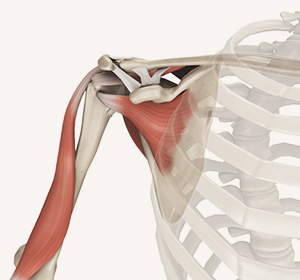
The shoulder is formed by three bones, the humerus (upper arm bone), scapula (shoulder blade) and clavicle (collar bone). The head of the humerus fits into a cavity at the side of the scapula called the glenoid to form the glenohumeral joint. A projection of bone from the scapula called the acromion joins the outer end of the clavicle to form the acromioclavicular (AC) joint.
Indications for Distal Clavicle Excision
The AC joint can undergo sudden trauma or degeneration due to osteoarthritis as a result of aging and increased athletic and overhead activities. Impingement of the soft tissues can occur between the humeral head and the acromion. Damage to the rotator cuff can result in abnormal positioning of the head of the humerus creating pressure on the AC joint above, resulting in arthritis.
Your doctor may initially recommend conservative treatments such as rest, ice application, anti-inflammatory medication, and physical therapy. Distal clavicle excision is recommended if these interventions fail to relieve your symptoms. Removing this portion of the bone will decompress the joint and will help ease the pain and loss of motion caused by shoulder impingement or shoulder arthritis.
Procedure for Distal Clavicle Excision
Distal clavicle excision can be performed both arthroscopically as well as through open surgery. Your doctor will decide the appropriate surgical option based on your condition. However, arthroscopic distal clavicle excision is the preferred option due to its advantages of minimal complications, less downtime, negligible blood loss, and small incisions.
The procedure will be performed under anesthesia while you are seated in a beach-chair position. After adequately sterilizing the surgical area, a few keyhole-size incisions are made through which an arthroscope and tiny cutting instruments are inserted. Excision of the end of the clavicle at the acromioclavicular joint in the shoulder is carried out. The incisions are then closed with sutures and dressings are applied.
Recovery following Distal Clavicle Excision
Following distal clavicle excision, you will be taken to the recovery room. Your shoulder will be wrapped with dressings and immobilized in a sling. An ice pack is recommended to control pain and swelling. You will also receive pain medications. You may be allowed to leave the same day. The shoulder sling should be used for about 3 to 6 weeks. Instructions will be given on how to remove the sling and perform a gentle range of motion exercises. Avoid strenuous activities for at least a month.
What are the Risks and Complications of Distal Clavicle Excision?
Risks and complications associated with distal clavicle excision may include:
- Joint instability
- Inadequate resection
- Weakness
- Shoulder stiffness
- Infection
- Increased scarring
- Continued AC joint tenderness
- Injury to nerves and blood vessels
For more information about our services or to schedule an appointment, call us at or click here to request an appointment online. We'll respond to you as soon as possible.
-
Send a Referral
-
Send Medical Records
-
Additional InquiresEmail us at [email protected]