Spine Trauma
Colorado Springs Orthopaedic Group
Spinal conditions can affect your neck, back, movement, and overall quality of life. Pain, stiffness, numbness, or weakness can make it difficult to work, exercise, sleep, or perform everyday activities.
CSOG provides comprehensive care for a wide range of conditions affecting the cervical, thoracic, and lumbar spine. Our specialists use a conservative-first approach whenever appropriate, with treatment options that may include physical therapy, medications, injections, and other nonsurgical treatments. When surgery is necessary, advanced surgical techniques may provide another option.
Your care begins with a thorough evaluation to understand the source of your symptoms and how they are affecting you. We then develop a treatment plan based on your condition, goals, and individual needs.
What is Spine Trauma?
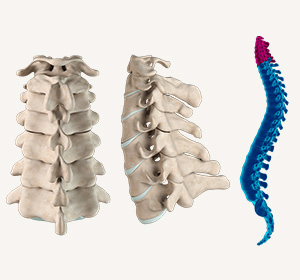
Spine trauma is defined as an injury or damage to any region of the spine. The spine extends from the neck to the lower back and consists of the vertebral bones which surround and protect the spinal cord. Damage to the spinal cord or spinal nerves can cause changes in sensation, strength, and other body functions.
Causes of Spine Trauma
Spine trauma can cause damage to the vertebrae, discs between the vertebrae, ligaments of the spine or the spinal cord. It is often caused by:
- Motor vehicle accidents
- Falls
- High impact sports
- Shallow water diving activities
- Incidents of violence such as gunshot or stabbing
Risk Factors of Spine Trauma
Although spine trauma is often the result of a sudden accident, certain factors increase your likelihood of sustaining injury such as:
- Being an active young adult
- Being an older adult (increased risk of falling)
- Being male
- Operating under the influence of alcohol
- Engaging in high-risk activities
- Having a disorder of the bone or joints such as osteoporosis, arthritis, cancer, and inflammation of the spinal cord
Symptoms of Spine Trauma
Spinal trauma may manifest with the following signs and symptoms:
- Loss or change in sensation, such as ability to feel heat or cold
- Loss of movement
- Loss of bladder or bowel control
- Pressure, stiffness, and pain in the back area
- Tingling or numbness in the extremities
- Changes in sexual function
- Exaggerated reflexes or spasms
- Incoordination and weakness
- Difficulty with walking and balance
- Breathing difficulties post injury
- Unnatural posture of the neck or back
Diagnosis of Spine Trauma
Your doctor will discuss your symptoms and perform a physical examination during which movement, muscle strength, and sensation are assessed. To investigate injuries caused by spinal trauma, imaging tests such as X-rays, CT scans, or MRI scans may be ordered.
Treatment of Spine Trauma
Treatment for spine trauma depends on the location and extent of the injury and its impact on the nerves and other surrounding tissues of the spine. Some of the common treatment options include:
- Immobilization to stabilize your spine and traction to bring the spine into proper alignment using a neck collar, special bed, etc.
- Medications to manage effects of spinal trauma such as pain, muscle spasticity, etc.
- Surgery in cases of fractured vertebrae, herniated discs, etc.
- Rehabilitation for maintenance and strengthening of muscle function, improving fine motor skills, and learning adaptive techniques for activities of daily living
Newer experimental treatments aim at controlling inflammation, stopping cell death, and promoting nerve regeneration.
Prevention of Spine Trauma
Spine trauma often occurs due to unpredictable events, so the only way to prevent spine trauma is to follow certain precautions and promote spine health through measures such as:
- Wearing suitable protective gear during sports activities
- Wearing a seatbelt while driving
- Avoiding shallow water diving
- Moderate weight-bearing and strength-building exercises
- Taking calcium and vitamin D supplements
For more information about our services or to schedule an appointment, call us at or click here to request an appointment online. We'll respond to you as soon as possible.
-
Send a Referral
-
Send Medical Records
-
Additional InquiresEmail us at [email protected]