Spinal Infection Stabilization
Colorado Springs Orthopaedic Group
Spinal conditions can affect your neck, back, movement, and overall quality of life. Pain, stiffness, numbness, or weakness can make it difficult to work, exercise, sleep, or perform everyday activities.
CSOG provides comprehensive care for a wide range of conditions affecting the cervical, thoracic, and lumbar spine. Our specialists use a conservative-first approach whenever appropriate, with treatment options that may include physical therapy, medications, injections, and other nonsurgical treatments. When surgery is necessary, advanced surgical techniques may provide another option.
Your care begins with a thorough evaluation to understand the source of your symptoms and how they are affecting you. We then develop a treatment plan based on your condition, goals, and individual needs.
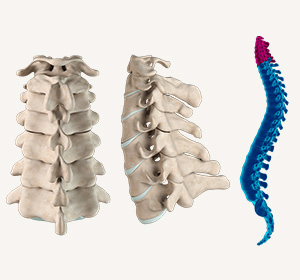
The spine is made up of many bones called vertebrae which surround and protect the spinal cord. Intervertebral discs between the vertebral bones provide cushioning. A spinal infection may affect any part of the spine including the vertebral column, intervertebral discs or the soft tissues surrounding the spine.
Symptoms
Spinal infections are characterized by back or neck pain, depending on the site of the infection. The pain gradually becomes more severe and is not relieved by rest or medications. You may develop a fever, neck or back stiffness or a headache. There may be increased wound redness or drainage if recent spine surgery was performed. As the disease progresses, the vertebral bones undergo damage which may lead to instability and compression of the spinal cord and nerves.
Diagnosis
Diagnostic tests may be performed including blood testing for erythrocyte sedimentation rate (ESR) and C-reactive protein (CRP) levels. High values of CRP and ESR indicate inflammation which occurs during a spine infection. X-ray imaging, computed tomography scanning (CT or CAT scan) or magnetic resonance imaging (MRI) may be recommended. Your doctor may also order a computed tomography-guided biopsy (a small sample taken from the vertebra or disc space to identify the causative agent.) Blood cultures may also be collected if you have developed a fever.
Treatment
The first line of treatment involves intravenous (IV) administration of antibiotics or antifungal therapy. Surgery may be recommended under the following circumstances:
- Your condition does not improve with conservative measures
- A large area of vertebral bone is affected leading to instability
- You have significant neurological symptoms
What is Spinal Stabilization?
Spinal stabilization is surgery performed to rectify spinal instability that can result from infection. Also called spinal immobilization, it involves the installation of bone grafts and hardware (plates, rods, screws, hooks, and wires) to fuse the spinal segments after removal of the dysfunctional or unstable spinal segments.
Procedure
The procedure is performed under general anesthesia and intravenous antibiotics. You will be placed in a suitable position depending on how your surgeon chooses to approach the spine. The surgery could be performed through an incision in your back or through incisions in the front or side of the body. A minimally invasive technique may be used with smaller incisions and less tissue damage. Imaging studies help guide your surgeon to the precise location in the spine.
Instruments are used to remove the infected and damaged bone. The tissue is removed to decompress the spinal cord or nerves. Bone grafts are placed between the adjacent vertebrae to facilitate fusion. Suitable hardware such as plates, screws or cages is used to stabilize the spine as it heals. The operative instruments are removed, and the incision site is closed with sutures.
Postoperative Management
You will continue to receive IV antibiotics during the postoperative period. You will wear a brace to support the spine soon after surgery and should continue its use for at least 6 months. A long course of oral antibiotics is prescribed.
Risks and Complications
As with any surgery, spinal stabilization may be associated with certain risks that include:
- Allergic reaction to anesthesia
- Blood clots
- Infection
- Bleeding
- Nerve or tissue damage
For more information about our services or to schedule an appointment, call us at or click here to request an appointment online. We'll respond to you as soon as possible.
-
Send a Referral
-
Send Medical Records
-
Additional InquiresEmail us at [email protected]