Neck and Back Injuries
Colorado Springs Orthopaedic Group
Spinal conditions can affect your neck, back, movement, and overall quality of life. Pain, stiffness, numbness, or weakness can make it difficult to work, exercise, sleep, or perform everyday activities.
CSOG provides comprehensive care for a wide range of conditions affecting the cervical, thoracic, and lumbar spine. Our specialists use a conservative-first approach whenever appropriate, with treatment options that may include physical therapy, medications, injections, and other nonsurgical treatments. When surgery is necessary, advanced surgical techniques may provide another option.
Your care begins with a thorough evaluation to understand the source of your symptoms and how they are affecting you. We then develop a treatment plan based on your condition, goals, and individual needs.
What is Neck and Back Injuries?
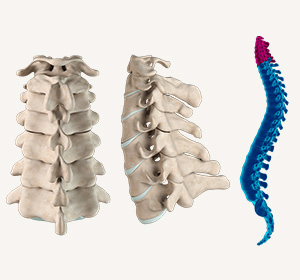
Neck and back injuries usually result from damage to the surrounding structures such as the muscles, bones, or ligaments of the neck and back. They are characterized by pain and discomfort and can sometimes be serious and result in permanent disability.
Causes of Neck and Back Injuries
Causes of neck and back injuries include:
- Sports injuries
- Automobile accidents
- Fall from heights
- Strenuous physical activity
- Poor sitting posture
- Sudden movement
Types of Neck and Back Injuries
Some of the common types of neck and back injuries include:
- Sprains and strains: A sprain is a tear or injury to the ligaments. A strain is an injury to the muscles.
- Herniated disc: The central nucleus is pushed out of the disc forming a bulge that results in compression of the spinal nerves.
- Pinched nerve (Compressed nerve): Injury or trauma to the nerves surrounding the bones and muscles may result in increased pressure.
- Fracture: A crack or break in the bones of the neck and spine can be caused by high energy injury or trauma.
Symptoms of Neck and Back Injuries
Symptoms of neck and back injuries include:
- Headache
- Pain
- Swelling
- Stiffness in the back and neck
- Muscle spasms
- Tenderness
- Weakness
- Difficulty in movement
Diagnosis of Neck and Back Injuries
Your doctor will review your medical history and symptoms and based on this a physical examination of the neck and back will be performed. Your doctor may also recommend the following diagnostic tests:
- X-rays: In this study, high electromagnetic energy beams are used to produce images of the bones
- Bone scan: This is a nuclear imaging study that helps your doctor detect hidden stress fractures or any bone disorders.
- CT scan: Special x-rays are used to produce images that help to detect any damages in the spine
Treatment for Neck and Back Injuries
Treatment for neck and back injuries may vary based on the severity of the injury. Your doctor may recommend the following treatment options:
Conservative method:
- Medications: Your doctor will recommend over the counter pain medications to reduce inflammation and pain.
- Physical therapy: Special therapeutic exercises and other techniques will be recommended to strengthen bones and muscles.
- RICE Method: This is an acronym for Rest, Ice, Compression, and Elevation of the affected part.
- Acupuncture: This method involves insertion of very thin metal needles into the skin at specific points on the body to stimulate healing and promote relaxation that helps to maintain and restore health.
- Massage: This involves pressing, rubbing, and manipulating the tissues of the affected area to relieve pain and reduce inflammation.
Surgical method:
If conservative methods fail to improve the symptoms, surgery will be recommended, these include:
- Laminectomy: This is the removal or cutting of the lamina (roof) of the vertebral bones that provide space for the nerves to exit from the spine.
- Cervical laminoplasty: This involves reshaping or repositioning the bone at the neck region to reduce excess pressure on the spinal nerves.
- Cervical spinal fusion: The damaged vertebra is fused with adjacent vertebrae using an artificial implant or bone graft that provide stability and prevent injury to the spinal cord.
- Cervical discectomy: This procedure relieves pressure on the spinal nerves or spinal cord by partially or completely removing the damaged intervertebral disc.
For more information about our services or to schedule an appointment, call us at or click here to request an appointment online. We'll respond to you as soon as possible.
-
Send a Referral
-
Send Medical Records
-
Additional InquiresEmail us at [email protected]