Spinal Fusion
Colorado Springs Orthopaedic Group
Spinal conditions can affect your neck, back, movement, and overall quality of life. Pain, stiffness, numbness, or weakness can make it difficult to work, exercise, sleep, or perform everyday activities.
CSOG provides comprehensive care for a wide range of conditions affecting the cervical, thoracic, and lumbar spine. Our specialists use a conservative-first approach whenever appropriate, with treatment options that may include physical therapy, medications, injections, and other nonsurgical treatments. When surgery is necessary, advanced surgical techniques may provide another option.
Your care begins with a thorough evaluation to understand the source of your symptoms and how they are affecting you. We then develop a treatment plan based on your condition, goals, and individual needs.
What is Spinal Fusion?
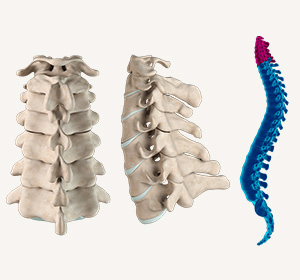
Spinal fusion is the surgical technique of combining two or more vertebrae. A fusion of the vertebrae involves the insertion of secondary bone tissue obtained either from an autograft (tissues from your own body) or allograft (tissues from another person) to enhance the bone healing process.
The lumbar (lower back) region of the spine is more prone to spine fusion when compared to the other regions such as cervical (neck) and thoracic (mid-back) parts of the spine. Usually, spinal fusion is recommended for neurological problems or severe pain that have not responded to conservative treatment.
Indications for Lumbar Spinal Fusion
Various spinal conditions may be treated through lumbar spinal fusion such as:
- Spinal stenosis
- Damaged disc
- Spinal tumor
- Fractures of the spine
- Scoliosis and kyphosis (abnormal curvatures of the spine)
Spinal Fusion Procedure
- Spinal fusion can be performed through different angles depending upon the specific advantages of each and the choice of your surgeon. It may involve interbody fusion where bone graft is placed in the space present between the two vertebrae.
- Other techniques may also be employed for spinal fusion that involves the entire removal of the disc between the affected vertebrae. A specially designed device, made either from plastic or titanium, may be placed between the vertebrae. This helps in maintaining spine alignment and normal height of the disc.
- The fusion process is followed by fixation, which involves the fitting of metallic screws, rods, plates or cages to stabilize the vertebrae and accelerate bone fusion. After surgery, 6-12 months is the ideal time for complete fusion to take place.
Complications of Spinal Fusion
The complications associated with spinal fusion include infection, nerve damage, blood clots or blood loss, bowel and bladder problems and problems associated with anesthesia. The primary risk of spinal fusion surgery is the failure of fusion of vertebral bones, which may require additional surgery.
For more information about our services or to schedule an appointment, call us at or click here to request an appointment online. We'll respond to you as soon as possible.
-
Send a Referral
-
Send Medical Records
-
Additional InquiresEmail us at [email protected]