Direct Lateral Interbody Fusion (DLIF)
Colorado Springs Orthopaedic Group
Spinal conditions can affect your neck, back, movement, and overall quality of life. Pain, stiffness, numbness, or weakness can make it difficult to work, exercise, sleep, or perform everyday activities.
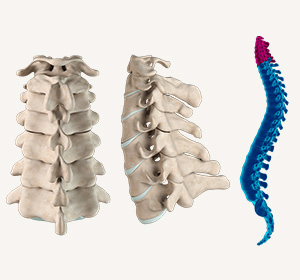
CSOG provides comprehensive care for a wide range of conditions affecting the cervical, thoracic, and lumbar spine. Our specialists use a conservative-first approach whenever appropriate, with treatment options that may include physical therapy, medications, injections, and other nonsurgical treatments. When surgery is necessary, advanced surgical techniques may provide another option.
Your care begins with a thorough evaluation to understand the source of your symptoms and how they are affecting you. We then develop a treatment plan based on your condition, goals, and individual needs.
What is Direct Lateral Interbody Fusion?
Direct lateral interbody fusion (DLIF) is a type of lumbar interbody fusion surgery, a surgical technique involving the removal of a damaged intervertebral disc, and the insertion of a bone graft into the empty disc space created between the two adjoining vertebrae. Bone grafts promote healing and facilitate fusion. Screws and rods are used to stabilize the spine during the healing process.
In direct lateral interbody fusion, the spine is approached from the side through the psoas muscle using a minimally invasive technique; hence, this is known as the trans-psoas approach.
Indications for Direct Lateral Interbody Fusion
Spinal fusion may be recommended when conservative methods fail to treat leg or back pain due to spinal injury and disorders such as:
- Degenerative disc disease
- Disc herniation or rupture
- Dislocation of the vertebral bones
- Abnormal spine curvature
Direct Lateral Interbody Fusion Procedure
The surgery takes about one hour and is performed under general anesthesia. You will be positioned on your side. Using a live X-ray, your surgeon will locate and mark off the affected region. Through a small incision made in your flank, your surgeon will hold back the peritoneum (outer covering of the abdominal organs) and will make a second incision on your side for instruments called tubular dilators to pass through. The affected disc is then removed and replaced with a bone graft, which will aid in the fusion of the adjacent vertebrae. Additional support may be provided by the insertion of plates, rods, or screws. The instruments are removed, and the incisions are stitched and bandaged.
Recovery after Direct Lateral Interbody Fusion
Following the surgery, you will be transferred to the recovery room where medical staff will closely monitor your vital signs.
Direct lateral interbody fusion ensures a quick recovery allowing you to return to normal activities soon. As this approach does not damage muscles, ideally you will be able to walk the evening of the surgery and should be discharged the next day.
You will need to keep the incision area clean and dry. You may experience symptoms related to the surgery such as minor discomfort, muscle spasms in the neck or back, and pain at the incision site. Following your discharge, you will be prescribed pain medication to keep you comfortable. You may need to wear a lumbar brace to support the spine during the healing process.
You should avoid driving, smoking, and lifting heavy objects. You can begin physical therapy as directed by your surgeon. You should take all medications as recommended, and adhere to your follow-up appointments.
Risks and Complications
As with all surgical procedures, direct lateral interbody fusion may be associated with certain complications such as:
- Infection
- Pain
- Spinal cord damage
- Damage to nerves or blood vessels
- Deep vein thrombosis
- Muscle weakness
- Unsuccessful vertebral fusion
For more information about our services or to schedule an appointment, call us at or click here to request an appointment online. We'll respond to you as soon as possible.
-
Send a Referral
-
Send Medical Records
-
Additional InquiresEmail us at [email protected]