Spine Injuries in Athletes
Colorado Springs Orthopaedic Group
Spinal conditions can affect your neck, back, movement, and overall quality of life. Pain, stiffness, numbness, or weakness can make it difficult to work, exercise, sleep, or perform everyday activities.
CSOG provides comprehensive care for a wide range of conditions affecting the cervical, thoracic, and lumbar spine. Our specialists use a conservative-first approach whenever appropriate, with treatment options that may include physical therapy, medications, injections, and other nonsurgical treatments. When surgery is necessary, advanced surgical techniques may provide another option.
Your care begins with a thorough evaluation to understand the source of your symptoms and how they are affecting you. We then develop a treatment plan based on your condition, goals, and individual needs.
What are Spine Injuries in Athletes?
Spine injuries in athletes are defined as damage sustained by the spine as a result of physical trauma or overuse in people who are actively involved in sports.
Sports activities have long been a source of spinal injuries. About 10 percent of all cases of spinal cord injuries in the United States has been linked to sports activities. Some of the common sports activities that are deemed high risk for fatal spinal injuries include football, rugby, wrestling, ice hockey, skiing, diving, snowboarding, motorsports, and cheerleading.
Low back injury is one of the most common complaints of athletes involved in all levels of competition. The lumbar spine (lower back) is most often the location of lower back injuries as it bears most of the upper body’s weight and is involved in other movements such as lifting, pulling and twisting due to its high flexibility.
Cervical fracture and quadriplegia as a result of axial compression forces to the head during sports are other common spinal injuries in athletes.
Anatomy of the Spine
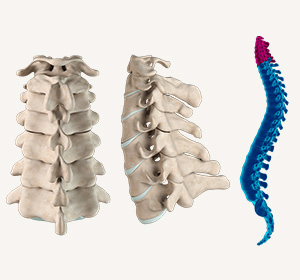
The spine, also called the backbone, plays a vital role in stability, smooth movement and protection of the delicate spinal cord. It is made up of bony segments called vertebrae with fibrous tissue called intervertebral discs between them. The vertebrae and discs form the spinal column from the neck to the pelvis, giving symmetry and support to the body.
Causes
Spine injuries can cause damage to the vertebrae, discs between the vertebrae, ligaments of the spine, or the spinal cord. Spinal injuries in athletes may occur due to:
- Contact sports
- High impact sports
- Motor vehicle accidents
- Falls
- Shallow water diving activities
Common spinal injuries that athletes may suffer include:
- Sprains and strains
- Fractured vertebrae
- Whiplash injury
- Dislocation of adjacent bones
- Partial misalignment (subluxation) of adjacent bones
- Disc compression (herniated disc)
- Hematoma (accumulation of blood)
- Partial or complete tears of ligaments
Signs and Symptoms
The most common symptom of spinal injuries is pain. Some injuries may damage spinal nerves that may cause inflammation, loss of muscle control, and loss of sensation. It may result in paralysis, limited movement, and immobility.
Spinal injuries in athletes may manifest with the following signs and symptoms:
- Pressure, stiffness, and pain in the back area
- Tingling or numbness in the extremities
- Changes in sexual function
- Exaggerated reflexes or spasms
- Incoordination and weakness
- Difficulty with walking and balance
- Breathing difficulties post injury
- Abnormal posture of the neck or back
- Loss of movement
- Loss of bladder or bowel control
- Loss of sensation/change in sensation, such as ability to feel heat or cold
Diagnosis
Your doctor will discuss your symptoms and perform a physical examination during which movement, muscle strength, and sensation are assessed. To further investigate and diagnose injuries caused by spinal trauma, imaging tests such as X-rays, computed tomography (CT) scans, and magnetic resonance imaging (MRI) scans may be ordered.
Treatment
Treatment for spine injures in athletes depends on the location and extent of the injury and its impact on the nerves and other surrounding tissues of the spine. Some of the common treatment options include:
- Immobilization to stabilize your spine and traction to bring the spine into proper alignment using a neck collar, special bed, etc.
- Medications to manage effects of spinal trauma such as pain, muscle spasticity, etc.
- Epidural steroid injection (injection of medication into the space around the spinal cord) to help alleviate pain caused by inflamed spinal nerves due to disc herniation or spinal stenosis.
- Surgery in cases of fractured vertebrae, herniated discs, etc.
- Rehabilitation for maintenance and strengthening of muscle function, improving fine motor skills, and learning adaptive techniques for activities of daily living.
For more information about our services or to schedule an appointment, call us at or click here to request an appointment online. We'll respond to you as soon as possible.
-
Send a Referral
-
Send Medical Records
-
Additional InquiresEmail us at [email protected]