

Spinal Cord Stimulator Implant
Spinal Cord Stimulator Implant in Colorado Springs, CO
If chronic back, leg, or arm pain has not improved with medications, physical therapy, injections, or previous surgery, a spinal cord stimulator implant may provide lasting relief. At Colorado Springs Orthopaedic Group, our experienced spine specialists offer advanced spinal cord stimulation treatments to help patients reduce pain, improve function, and regain quality of life.
Using innovative neuromodulation technology, a spinal cord stimulator delivers mild electrical impulses to interrupt pain signals before they reach the brain. This minimally invasive treatment can be an effective solution for conditions such as failed back surgery syndrome, sciatica, complex regional pain syndrome (CRPS), and chronic nerve pain. Our team provides comprehensive evaluations, trial stimulation testing, and personalized treatment plans for patients throughout Colorado Springs and the surrounding communities.
-
Send a Referral
-
Send Medical Records
-
Additional InquiresEmail us at [email protected]
Colorado Springs Orthopaedic Group
Spinal conditions can affect your neck, back, movement, and overall quality of life. Pain, stiffness, numbness, or weakness can make it difficult to work, exercise, sleep, or perform everyday activities.
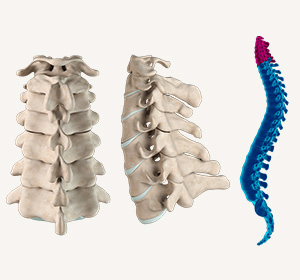
CSOG provides comprehensive care for a wide range of conditions affecting the cervical, thoracic, and lumbar spine. Our specialists use a conservative-first approach whenever appropriate, with treatment options that may include physical therapy, medications, injections, and other nonsurgical treatments. When surgery is necessary, advanced surgical techniques may provide another option.
Your care begins with a thorough evaluation to understand the source of your symptoms and how they are affecting you. We then develop a treatment plan based on your condition, goals, and individual needs.
Introduction
A spinal cord stimulator implant is a device that is implanted in the body to help manage chronic pain. The device works by sending electrical impulses to the spinal cord to replace or alter pain signals before they reach the brain. The spinal cord stimulator helps lower pain levels by 50% to 70% reducing the need for pain medications.
Indications
A Spinal cord stimulator may be an option if you have chronic pain in your back, leg or arm that has lasted at least 6 months and you have had not had optimal relief from surgery, pain medications, nerve blocks or physical therapy. A spinal cord stimulator may be used to treat pain due to conditions such as sciatica, complex regional pain syndrome, failed back surgery syndrome, peripheral vascular disease and multiple sclerosis.
Surgical procedure
The spinal cord stimulator device consists of a pulse generator similar to a pacemaker that produces electrical impulses with the help of a battery. The electrical signals pass through a lead wire and a system of electrodes to reach the spinal cord.
The level of stimulation by the pulse generator can be programmed according to the pattern and intensity of pain. Some devices respond to your body position to adjust stimulation levels. A handheld remote device is used to control settings. Pain may be replaced by a tingling sensation called paresthesia. For individuals who find it difficult to tolerate this sensation, the pulse generator can be set to a sub-paresthesia level.
Your doctor will first recommend a trial stimulation to evaluate if the treatment adequately relieves your pain. For this procedure, a local anesthetic is administered in the lower back. Under live X-ray imaging, a hollow needle is used to enter the epidural space between your spinal cord and vertebra. An electrode or lead is passed through the needle until it contacts a specific region of the spinal cord. The lead is connected to an external pulse generator worn on your belt. You are then sent home with instructions on how to control the stimulation settings to make treatment more effective. A log of your activities is kept including the level of stimulation necessary for pain relief at various times and paresthesia experienced, to provide your physician with valuable information. If you are happy with the results, your doctor will schedule the procedure to implant the stimulator.
The procedure involves implanting the leads at specific positions on the spinal cord and placing the pulse generator under the skin within the buttock, lower back or abdomen. You will lie face down for the procedure and areas on your back and buttocks are prepped and anesthetized to receive the implant. An incision is made in the middle of your back and part of the vertebral bone is removed to accommodate the leads. You will then be awoken to help your doctor determine the level of stimulation and the proper position of the leads to optimize pain relief. The lead wires are passed under the skin to reach the buttocks or abdomen where the pulse generator is implanted by making a pocket under the skin. The incisions are then closed and dressings applied. The pulse generator is programmed with the help of your feedback during surgery.
Post-operative care
Following the procedure, your doctor will prescribe medications to help ease any discomfort. Your doctor will give you instructions about how to care for your incisions and what activities you should avoid. Your doctor will advise you when you can go back to doing your usual activities. You will likely have some restrictions that are intended to allow your body to heal around the implanted system. You should always follow your doctor’s instructions during the recovery period.
If a non-rechargeable battery is used for the pulse generator, it may need to be replaced every 2-5 years. Spinal cord stimulators with chargeable batteries are usually charged daily and need replacement only once every 8-9 years.
Risks and Complications
As with any procedure, placement of a spinal cord stimulator may be associated with certain risks and complications including infection, bleeding, pain, cerebrospinal fluid leakage, shifting of components, battery failure, spinal cord injury and rarely paralysis.
Summary
A spinal cord stimulator implant procedure is recommended when chronic pain has affected your quality of life and the source of pain cannot be eliminated. Modern-day implants offer multiple programming options to optimize pain relief throughout the day and keep you active.
For more information about our services or to schedule an appointment, call us at or click here to request an appointment online. We'll respond to you as soon as possible.









Why Choose Colorado Springs Orthopaedic Group for Spinal Cord Stimulator Implant?
Choosing the right provider for spinal cord stimulation is essential to achieving successful long-term pain relief. At Colorado Springs Orthopaedic Group, we combine advanced technology with specialized spine care to deliver personalized treatment solutions. Benefits of choosing our practice include:
- Board-certified orthopedic spine specialists and pain management experts
- Comprehensive evaluation to determine if spinal cord stimulation is right for you
- Advanced imaging and minimally invasive implantation techniques
- Personalized trial stimulation process before permanent implantation
- Customized programming to optimize pain control and comfort
- Collaborative rehabilitation and follow-up care
- Patient-centered treatment plans focused on improving function and quality of life
- Convenient access to expert spine care in Colorado Springs
Our goal is to help you achieve meaningful pain relief while reducing reliance on pain medications whenever possible.
Spinal Cord Stimulator Implant FAQs
Schedule a Spinal Cord Stimulator Consultation in Colorado Springs
If chronic back, neck, arm, or leg pain is limiting your daily life, don't wait to explore your treatment options. Contact Colorado Springs Orthopaedic Group today to schedule a consultation with one of our spine specialists and learn whether a spinal cord stimulator implant may be right for you.