

PRP for Tennis Elbow
Colorado Springs Orthopaedic Group
Your elbow connects the upper and lower arm and plays an important role in lifting, reaching, gripping, and other everyday movements. Elbow injuries and conditions can result from sports, repetitive use, trauma, arthritis, or problems affecting the tendons, nerves, and surrounding tissues.
At CSOG, our specialists provide comprehensive care for a wide range of elbow conditions, including tendon injuries, nerve compression, instability, arthritis, fractures, and sports-related injuries. Treatment is based on your diagnosis and may range from conservative care and physical therapy to injections, minimally invasive procedures, and surgery.
Our goal is to identify the source of your elbow problem and provide an individualized treatment approach that helps relieve pain, restore movement and strength, and return you to your normal activities.
What is PRP for Tennis Elbow?
Platelet-rich plasma (PRP) for tennis elbow is a regenerative therapy that uses a concentration of a patient’s own blood platelets to accelerate healing of the tendons affected by lateral epicondylitis, commonly known as tennis elbow. Tennis elbow is a painful condition and a common overuse injury where the tendons on the outside of the elbow become inflamed or degenerated due to repetitive stress.
What is Elbow Anatomy?
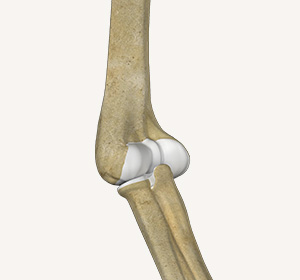
The elbow is a joint made up of three bones: the upper arm bone, the humerus, and the two forearm bones, the radius and ulna. The lower end of the humerus has bony bumps called epicondyles that serve as sites of attachment for major tendons and muscles that help in arm movement. The bump on the outside of the elbow is called the lateral epicondyle. It helps in the attachment of the tendons and muscles that help extend your fingers and wrist.
When is PRP for Tennis Elbow Indicated?
PRP for tennis elbow is typically indicated when symptoms have lasted more than 6 weeks to 3 months and have not improved with rest, physical therapy, or medications. It is especially useful for chronic tendinosis (degeneration) rather than acute inflammation, and for patients who want to avoid corticosteroids or surgery.
What Does the PRP Procedure for Tennis Elbow Involve?
The PRP procedure for tennis elbow is a relatively straightforward, outpatient treatment that typically takes about 30 to 60 minutes. In general, the procedure involves the following steps:
- The patient is seated or lying down comfortably with the affected arm exposed.
- The area around the elbow is cleaned and sterilized.
- Local anesthesia may be used to minimize discomfort during injection.
- A small quantity of blood is drawn from the patient’s arm.
- The blood is spun in a centrifuge to isolate the platelet-rich plasma, which is rich in growth factors.
- The concentrated PRP is then carefully extracted into a syringe.
- Using ultrasound guidance, the PRP is precisely injected into the affected tendon area on the outside of the elbow.
What Does Post-Procedure Care for Tennis Elbow Involve?
After a PRP injection for tennis elbow, patients often experience some soreness or mild pain at the injection site for a few days, which is a normal part of the healing process. Physical activity, especially involving the affected arm, is usually limited for 1 to 2 weeks to allow the tendon to begin healing. Over the following weeks, most patients gradually notice reduced pain and improved elbow function, with significant improvement often seen within 2 to 6 weeks. Full benefits may take several months, and a guided physical therapy program is often recommended to support recovery and prevent recurrence.
What are the Risks and Side Effects of Tennis Elbow?
PRP injections for tennis elbow are generally safe since the treatment uses the patient’s own blood, but there are some potential risks. These include temporary pain or soreness at the injection site, swelling, and mild bruising. In rare cases, there may be infection, nerve irritation, or tissue damage.
What are the Benefits of Tennis Elbow?
PRP offers several benefits for treating tennis elbow, including:
- Promotes natural healing by enhancing tissue regeneration.
- Reduces pain and improves function in chronic cases where conservative measures fail.
- Minimally invasive with low risk of adverse effects (since it uses your own blood, there is minimal risk of rejection or infection).
- Often delays or prevents the need for surgery.
For more information about our services or to schedule an appointment, call us at or click here to request an appointment online. We'll respond to you as soon as possible.
-
Send a Referral
-
Send Medical Records
-
Additional InquiresEmail us at [email protected]