

Elbow Cartilage Transplantation
Colorado Springs Orthopaedic Group
Your elbow connects the upper and lower arm and plays an important role in lifting, reaching, gripping, and other everyday movements. Elbow injuries and conditions can result from sports, repetitive use, trauma, arthritis, or problems affecting the tendons, nerves, and surrounding tissues.
At CSOG, our specialists provide comprehensive care for a wide range of elbow conditions, including tendon injuries, nerve compression, instability, arthritis, fractures, and sports-related injuries. Treatment is based on your diagnosis and may range from conservative care and physical therapy to injections, minimally invasive procedures, and surgery.
Our goal is to identify the source of your elbow problem and provide an individualized treatment approach that helps relieve pain, restore movement and strength, and return you to your normal activities.
What is Elbow Cartilage Transplantation?
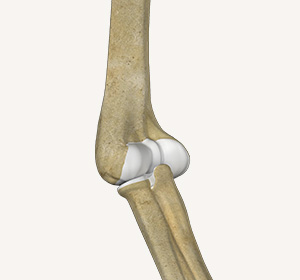
Elbow cartilage transplantation is a surgical procedure that repairs damaged articular cartilage in the elbow joint by transplanting cartilage to the defected area to relieve pain and restore normal function of the elbow.
What is Anatomy of Articular Cartilage?
Articular cartilage is the smooth, shiny, white tissue that covers the ends of bones in a joint. This cartilage reduces the friction between the bone surfaces that glide over each other, making the movement smooth and painless. It also acts as a shock absorber that helps prevent any injury to the bone.
What are the Different Types of Cartilage Transplantation?
The different types of cartilage transplantation are:
- Osteochondral Autograft Transplantation: In this technique, healthy cartilage tissue is taken from the bone present in another part of your body and is transferred to the injured joint place.
- Osteochondral Allograft Transplantation: In this method, a circular plug of cartilage tissue is taken from a donor and transplanted to the site of the injury.
- Autologous Chondrocyte Implantation: In this technique, a piece of healthy cartilage tissue is removed from another site using an arthroscopic technique and is cultured in the laboratory. These cultured cells are then implanted into the damaged area through open surgery.
What are the Indications for Elbow Cartilage Transplantation?
Indications of elbow cartilage transplantation include:
- Trauma injury to the elbow due to falls or accidents
- Congenital deformities
- Overuse injury
- Wear and tear from repetitive movements
What is the Procedure for Elbow Cartilage Transplantation?
The procedure for elbow cartilage transplantation includes:
- This surgery is performed under general anesthesia.
- Your doctor will perform minimally invasive arthroscopic surgery in which small incisions are made where an arthroscope, a thin flexible tube with a camera at one end is inserted into the elbow joint to view the joint surface.
- Your doctor will pump a sterile solution into the elbow joint and special instruments will be used to remove debris and damaged cartilage tissue.
- A graft obtained from the donor site is used to partially or completely replace the damaged cartilage using sutures.
- The incision site is then closed with a bandage.
What Does Postoperative Care for Elbow Cartilage Transplantation Involve?
In general, postoperative care for elbow cartilage transplantation involves the following:
- You will be transferred to the recovery area to be monitored until you are awake from the anesthesia.
- Your nurse will monitor your blood oxygen level and other vital signs as you recover.
- You will notice some pain and discomfort in the elbow area. Medications will be provided for comfort. Icing the area will be recommended to reduce swelling.
- Physical therapy and range of motion exercises are advised to restore mobility and strengthen the joints and muscles.
- You should keep your surgical site clean and dry for at least 48 hours. Instructions on surgical site care and bathing will be provided.
- Refrain from smoking as it can negatively affect the healing process.
- Refrain from strenuous activities or lifting heavy objects for the first couple of months. A gradual increase in activities over a period of time is recommended.
- A follow-up appointment will be scheduled to monitor your progress.
What are the Risks and Complications of Elbow Cartilage Transplantation?
Elbow cartilage transplantation is a relatively safe procedure; however, as with any surgery, some risks and complications could occur, such as:
- Post-operative bleeding
- Blood clots (deep vein thrombosis)
- Infection
- Stiffness of the joint
- Numbness around the incisions
- Injury to vessels, nerves, or healthy cartilage
- Allergic response
- Failure of the graft
- Loosening of the graft
For more information about our services or to schedule an appointment, call us at or click here to request an appointment online. We'll respond to you as soon as possible.
-
Send a Referral
-
Send Medical Records
-
Additional InquiresEmail us at [email protected]