

Cubital Tunnel Release (Medial Epicondylectomy)
-
Send a Referral
-
Send Medical Records
-
Additional InquiresEmail us at [email protected]
Cubital Tunnel Release Surgery in Colorado Springs, CO
If you are experiencing numbness, tingling, weakness, or pain in your ring and little fingers, you may be suffering from cubital tunnel syndrome. At Colorado Springs Orthopaedic Group, our experienced orthopaedic specialists provide advanced diagnosis and treatment for ulnar nerve compression, including cubital tunnel release surgery and medial epicondylectomy procedures.
Cubital tunnel syndrome occurs when the ulnar nerve becomes compressed at the elbow, leading to symptoms that can affect hand strength, coordination, and everyday activities. When conservative treatments such as splinting, medications, activity modification, or physical therapy fail to provide relief, cubital tunnel release surgery may be recommended to reduce nerve pressure and restore function.
Patients throughout Colorado Springs and surrounding communities trust Colorado Springs Orthopaedic Group for comprehensive upper extremity care focused on relieving pain, improving nerve function, and helping them return to work, sports, and daily activities.
Colorado Springs Orthopaedic Group
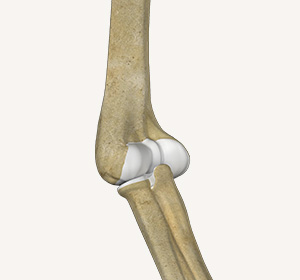
Your elbow connects the upper and lower arm and plays an important role in lifting, reaching, gripping, and other everyday movements. Elbow injuries and conditions can result from sports, repetitive use, trauma, arthritis, or problems affecting the tendons, nerves, and surrounding tissues.
At CSOG, our specialists provide comprehensive care for a wide range of elbow conditions, including tendon injuries, nerve compression, instability, arthritis, fractures, and sports-related injuries. Treatment is based on your diagnosis and may range from conservative care and physical therapy to injections, minimally invasive procedures, and surgery.
Our goal is to identify the source of your elbow problem and provide an individualized treatment approach that helps relieve pain, restore movement and strength, and return you to your normal activities.
What is Cubital Tunnel Release?
Cubital tunnel release is a surgical procedure to correct cubital tunnel syndrome.
Cubital tunnel syndrome is a condition characterized by compression of the ulnar nerve in an area of the elbow called the cubital tunnel. The ulnar nerve travels down the back of the elbow behind the bony bump called the medial epicondyle, and through a passageway called the cubital tunnel. The cubital tunnel is a narrow passageway on the inside of the elbow formed by bone, muscle, and ligaments with the ulnar nerve passing through its center. The roof of the cubital tunnel is covered with a soft tissue called fascia. When the elbow is bent, the ulnar nerve can stretch and catch on the bony bump. When the ulnar nerve is compressed or entrapped, the nerve can tear and become inflamed leading to various symptoms, and is called cubital tunnel syndrome.
The goal of cubital tunnel release surgery is to reduce the pressure on the ulnar nerve by providing more space for the nerve to move freely and to increase blood flow to promote healing of the ulnar nerve.
What is Anatomy of the Ulnar Nerve?
The ulnar nerve is one of the three major nerves in the arm. It begins in the neck region and passes via the shoulder down the arm into the wrist and fingers. It provides sensation to the forearm and 4th and 5th fingers of the hands. It also regulates most of the little muscles in the hand that assist with fine movements plus some of the bigger muscles in the forearm that assist in accomplishing a strong grip.
What are the Indications for Cubital Tunnel Release?
Some of the indications for cubital tunnel release include:
- Persistent and intermittent tingling and numbness in the 4th and 5th fingers
- A feeble grip in the affected hand
- A sense of “falling asleep” of the 4th and 5th fingers
- Muscle weakness and impaired muscle function in the fingers
- Difficulty controlling fingers for specific tasks
- Tenderness and pain in the elbow joint
- Sensitivity to cold temperatures
What is the Procedure for Cubital Tunnel Release?
If nonsurgical treatment measures such as anti-inflammatory medications, braces or splints, exercises, and physical therapy fail to provide satisfactory relief to cubital tunnel syndrome, cubital tunnel release surgery is employed as a final measure.
The procedure is mostly performed in an outpatient setting and usually takes less than an hour. The procedure involves the following steps:
- General or local anesthesia is administered to the patient.
- A 3- to 4-inch incision is made on the inner aspect of the elbow to access and visualize the ulnar nerve.
- Your surgeon then cuts and separates the overlying ligament or removes the bony bump compressing the ulnar nerve thus creating more space in the cubital tunnel for the ulnar nerve to move smoothly.
- After confirming adequate decompression of the ulnar nerve in the cubital tunnel, the overlying soft tissue and skin are closed with sutures and sterile bandages are applied.
What Does Postoperative Care for Cubital Tunnel Release Involve?
In general, postoperative care and recovery after cubital tunnel release involve the following:
- You will be transferred to the recovery area to be monitored until you are awake from the anesthesia.
- Your nurse will monitor your blood oxygen level and other vital signs as you recover.
- You will be placed in a sling for the first few days with instructions on restricted activities.
- You are advised to keep your arm elevated above your chest for a day or two while resting to prevent swelling and pain.
- You may be advised to wear a splint on your elbow for a couple of weeks to help the area heal.
- You are encouraged to gently exercise your fingers, elbow, and shoulder to prevent stiffness.
- Application of ice packs is advised to prevent stiffness and swelling.
- You may notice some pain and discomfort in the elbow and hand area. Medications will be provided for your comfort.
- Anti-nausea medications will be prescribed as needed for discomfort associated with anesthesia.
- Physical therapy and range of motion exercises are recommended to restore mobility and strengthen the joints and muscles.
- You should keep your surgical site clean and dry for at least 48 hours. Instructions on surgical site care and bathing will be provided.
- Refrain from strenuous activities or lifting heavy objects for at least a month. Gradual increase in activities over a period of time is recommended.
- You will be able to resume most of your normal activities within a week.
- A follow-up appointment will be scheduled to monitor your progress.
What are the Benefits of Cubital Tunnel Release?
Some of the benefits of the cubital tunnel release procedure include:
- Improves arm function
- Alleviates numbness and pain
- Prevents permanent damage to the ulnar nerve
What are the Risks and Complications of Cubital Tunnel Release?
Cubital tunnel release surgery is a relatively safe procedure; however, as with any surgery, there are risks and complications that could occur, such as:
- Persistent pain, stiffness, numbness, or weakness
- Bleeding
- Anesthetic reactions
- Infection
- Nerve, vessel, or tendon damage
- Need for additional surgery
- Continued or recurrence of ulnar nerve-related symptoms
For more information about our services or to schedule an appointment, call us at or click here to request an appointment online. We'll respond to you as soon as possible.
Why Choose Colorado Springs Orthopaedic Group for Cubital Tunnel Release (Medial Epicondylectomy)?
At Colorado Springs Orthopaedic Group, we understand how ulnar nerve compression can impact your quality of life, making simple tasks such as gripping objects, typing, or lifting difficult and uncomfortable. Our team provides individualized treatment plans designed to address the underlying cause of cubital tunnel syndrome and achieve the best possible outcome.
Patients choose Colorado Springs Orthopaedic Group because we offer:
- Fellowship-trained orthopaedic surgeons with expertise in hand, wrist, elbow, and nerve conditions
- Comprehensive evaluation and diagnostic testing for cubital tunnel syndrome
- Advanced surgical and non-surgical treatment options
- Minimally invasive techniques when appropriate
- Personalized rehabilitation and recovery programs
- Patient-centered care focused on restoring strength, sensation, and function
- Convenient access to specialized orthopaedic care in Colorado Springs
Our goal is to relieve nerve compression, reduce symptoms, and help you regain confidence in the use of your arm and hand.
Cubital Tunnel Release (Medial Epicondylectomy) FAQs
Find Relief from Cubital Tunnel Syndrome in Colorado Springs
Persistent hand numbness, tingling, weakness, or elbow pain can interfere with your daily life and may indicate ulnar nerve compression. The specialists at Colorado Springs Orthopaedic Group provide expert evaluation and advanced treatment options, including cubital tunnel release surgery, to help restore comfort and function.
Schedule an appointment today with Colorado Springs Orthopaedic Group to learn more about cubital tunnel release surgery in Colorado Springs, CO, and take the next step toward lasting relief and improved hand function.