

Hyperextension Injury of the Elbow
Colorado Springs Orthopaedic Group
Your elbow connects the upper and lower arm and plays an important role in lifting, reaching, gripping, and other everyday movements. Elbow injuries and conditions can result from sports, repetitive use, trauma, arthritis, or problems affecting the tendons, nerves, and surrounding tissues.
At CSOG, our specialists provide comprehensive care for a wide range of elbow conditions, including tendon injuries, nerve compression, instability, arthritis, fractures, and sports-related injuries. Treatment is based on your diagnosis and may range from conservative care and physical therapy to injections, minimally invasive procedures, and surgery.
Our goal is to identify the source of your elbow problem and provide an individualized treatment approach that helps relieve pain, restore movement and strength, and return you to your normal activities.
What is Hyperextension Injury of the Elbow?
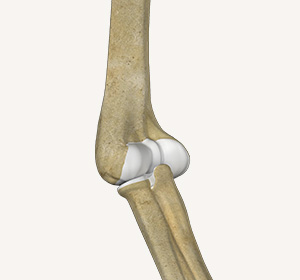
Hyperextension injury of the elbow occurs when the elbow joint is bent beyond its normal range of motion, causing damage to the bones and ligaments of the elbow. It may also cause elbow dislocation. The condition is more common in tennis, football, weight-lifting and contact sports.
What are the Symptoms of Hyperextension Injury of the Elbow?
Patients with a hyperextension injury of the elbow often experience a popping sound, followed by instant pain. Other symptoms include:
- Pain when moving or touching your elbow
- Swelling or stiffness in the injured elbow
- Loss of arm and elbow strength
- Muscle spasms in the biceps
How is Hyperextension Injury of the Elbow Diagnosed?
Your doctor will evaluate the injury by reviewing your medical history, performing a thorough physical examination and ordering X-rays to rule out any fractures. MRI and CT scans will help detect any soft tissue damage.
What are the Treatment Options for Hyperextension Injury of the Elbow?
Your doctor will first recommend conservative treatment options. These may include:
- Limit use and rest the elbow from activities that worsen symptoms.
- Braces may be ordered to decrease stress on the injured tissues.
- Ice packs applied to the elbow can reduce swelling.
- Anti-inflammatory medications may be ordered to treat swelling and discomfort.
- Physical therapy may be ordered to promote stretching and strengthening, once symptoms have decreased.
If conservative treatment options fail to resolve the condition or your elbow is severely fractured or torn, surgery may be recommended. Following surgery, you are referred to physical therapy to improve the range of motion and strength of your joint.
For more information about our services or to schedule an appointment, call us at or click here to request an appointment online. We'll respond to you as soon as possible.
-
Send a Referral
-
Send Medical Records
-
Additional InquiresEmail us at [email protected]