

Distal Humerus Fractures of the Elbow
Colorado Springs Orthopaedic Group
Your elbow connects the upper and lower arm and plays an important role in lifting, reaching, gripping, and other everyday movements. Elbow injuries and conditions can result from sports, repetitive use, trauma, arthritis, or problems affecting the tendons, nerves, and surrounding tissues.
At CSOG, our specialists provide comprehensive care for a wide range of elbow conditions, including tendon injuries, nerve compression, instability, arthritis, fractures, and sports-related injuries. Treatment is based on your diagnosis and may range from conservative care and physical therapy to injections, minimally invasive procedures, and surgery.
Our goal is to identify the source of your elbow problem and provide an individualized treatment approach that helps relieve pain, restore movement and strength, and return you to your normal activities.
What is Elbow Anatomy?
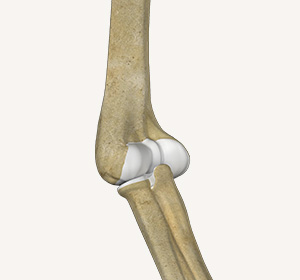
The elbow is a region between the upper arm and forearm. The elbow joint is made up of 3 bones. The distal (lower) end of the humerus bone in the upper arm joins with the radius and ulna bones in the forearm to form the elbow joint. The elbow joint is very important for the movement of your arms and for coordination of daily activities.
What is a Distal Humerus Fracture of the Elbow?
Injury in the distal humerus can cause impairment in the function of the elbow joint. A distal humerus fracture is a rare condition that occurs when there is a break in the lower end of the humerus.
What are the Causes of Distal Humerus Fractures?
A distal humerus fracture may result from a fall. This occurs more often when you land directly on your elbow during the fall or when you get struck by a hard object. It can also happen when you fall on your outstretched arm with the elbow locked straight.
What are the Symptoms of Distal Humerus Fractures?
Distal humerus fractures are usually very painful. The common symptoms are swelling, bruising, stiffness, tenderness, severe pain and inability to move the arm.
How are Distal Humerus Fractures Diagnosed?
Distal humerus fractures are generally considered an emergency condition. Your doctor might examine the skin for any cuts and feel it to determine the presence of broken bones or injuries. Your doctor might recommend an X-ray to determine the depth (intact or broken bones) of the fracture.
What is the Treatment for Distal Humerus Fractures?
Distal humerus fractures can be treated by both non-surgical and surgical methods based on the intensity of the fracture.
Non-surgical Treatment of Distal Humerus Fractures
If the fracture has not caused displacement of the bone, then your doctor may apply a splint (a casting) and you may be required to wear a sling until complete healing and recovery occurs.
Surgical Treatment of Distal Humerus Fractures
Your doctor may recommend surgery if the fracture has led to the displacement of bone and pieces of the bone have exited the skin. During surgery, the displaced bone or pieces of bone are joined together with the help of metal screws and plates. You may also be administered antibiotics to avoid the risk of infection.
How Can Distal Humerus Fractures Be Prevented?
Care should be taken while you walk or run and especially while climbing up/down the stairs. This can prevent you from falling and eventually from accidental fractures.
For more information about our services or to schedule an appointment, call us at or click here to request an appointment online. We'll respond to you as soon as possible.
-
Send a Referral
-
Send Medical Records
-
Additional InquiresEmail us at [email protected]