

Elbow Fractures in Children
Colorado Springs Orthopaedic Group
Your elbow connects the upper and lower arm and plays an important role in lifting, reaching, gripping, and other everyday movements. Elbow injuries and conditions can result from sports, repetitive use, trauma, arthritis, or problems affecting the tendons, nerves, and surrounding tissues.
At CSOG, our specialists provide comprehensive care for a wide range of elbow conditions, including tendon injuries, nerve compression, instability, arthritis, fractures, and sports-related injuries. Treatment is based on your diagnosis and may range from conservative care and physical therapy to injections, minimally invasive procedures, and surgery.
Our goal is to identify the source of your elbow problem and provide an individualized treatment approach that helps relieve pain, restore movement and strength, and return you to your normal activities.
Elbow Anatomy in Children
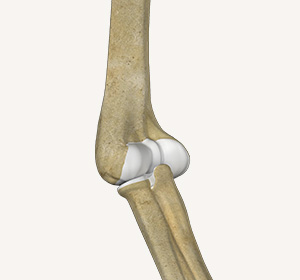
The arm in the human body is made up of three bones that join to form a hinge joint called the elbow. The upper arm bone or humerus connects from the shoulder to the elbow to form the top of the hinge joint. The lower arm or forearm consists of two bones, the radius, and the ulna. These bones connect the wrist to the elbow forming the bottom portion of the hinge joint.
Children’s bones have an area of developing cartilage tissue called a growth plate present at the end of long bones that will eventually develop into solid bone as the child grows.
What is an Elbow Fracture?
A break in any of the bones that form the elbow is called an elbow fracture.
What Causes Elbow Fractures in Children?
Fractures are more common in children due to their physical activities as well as their bone properties. An elbow fracture most commonly occurs when your child falls on an outstretched arm.
What are the Symptoms of Elbow Fractures?
Symptoms of an elbow fracture typically include sudden severe pain around the elbow, along with noticeable swelling and bruising. Some individuals may also experience numbness or tingling in the arm or hand if nearby nerves are affected.
How are Elbow Fractures in Children Evaluated?
Your child’s doctor first evaluates your child’s arm for signs of damage to blood vessels and nerves. An X-ray examination is then ordered to confirm and determine the severity of the fracture. Treatment of elbow fractures depends on the degree of displacement and type of fracture:
What are the Treatment Options for Elbow Fractures in Children?
Non-Surgical Treatment for Elbow Fractures in Children
If there is little or no displacement from the normal position, non-surgical treatment is recommended. Your child’s doctor may immobilize the arm using a cast for 3 to 5 weeks. Regular X-rays are ordered to check if the bones are properly aligned.
Surgical Treatment for Elbow Fractures in Children
Surgery may be recommended if the fracture has caused the bones to move out of alignment. Your child’s doctor brings the bones in correct alignment and may use metal pins, screws and wires to hold the bones in place. Your child must wear a cast for a few weeks. Exercises to improve the range of motion will be instructed after a month of healing.
For more information about our services or to schedule an appointment, call us at or click here to request an appointment online. We'll respond to you as soon as possible.
-
Send a Referral
-
Send Medical Records
-
Additional InquiresEmail us at [email protected]