

Elbow (Olecranon) Bursitis
Colorado Springs Orthopaedic Group
Your elbow connects the upper and lower arm and plays an important role in lifting, reaching, gripping, and other everyday movements. Elbow injuries and conditions can result from sports, repetitive use, trauma, arthritis, or problems affecting the tendons, nerves, and surrounding tissues.
At CSOG, our specialists provide comprehensive care for a wide range of elbow conditions, including tendon injuries, nerve compression, instability, arthritis, fractures, and sports-related injuries. Treatment is based on your diagnosis and may range from conservative care and physical therapy to injections, minimally invasive procedures, and surgery.
Our goal is to identify the source of your elbow problem and provide an individualized treatment approach that helps relieve pain, restore movement and strength, and return you to your normal activities.
What is Anatomy of the Olecranon?
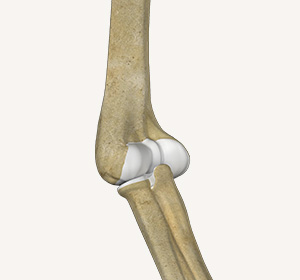
The elbow contains a large, curved, pointy bone at the back called the olecranon, which is covered by the olecranon bursa, a small fluid-filled sac that allows smooth movement between the bone and overlying skin.
What is Elbow Bursitis?
Inflammation of the olecranon bursa leads to a condition called olecranon bursitis.
What Causes Elbow Bursitis?
The causes of elbow bursitis may include trauma or a hard blow on the elbow, excessive leaning on the elbow, infection by puncture wounds or insect bites, or conditions such as gout and rheumatoid arthritis. People in certain occupations such as plumbing or air conditioning, which involve a lot of crawling on the elbows, are highly prone to this condition.
What are the Symptoms of Elbow Bursitis?
Swelling is the first sign of elbow bursitis. As more and more liquid fills into the bursa, the swelling increases and can cause pain. This pain is generally mild but can increase with direct pressure or bending of the elbow. If the bursa gets infected, your skin can become warm and red, and may spread to other parts of the arm or even the bloodstream if not treated immediately.
How is Elbow Bursitis Diagnosed?
Elbow bursitis can be diagnosed by reviewing your medical history and undergoing a thorough physical exam. Your doctor may also order an X-ray and biopsy of the bursa fluid to test for infection.
How is Elbow Bursitis Treated?
If bursitis is caused due to an infection, your doctor may recommend the removal of fluid from the bursa with a needle and prescribe antibiotics. Elbow bursitis not caused by infection can be treated by the following:
- Elbow pad to cushion your elbow
- Avoiding activities that place direct pressure on the swollen elbows
- Taking anti-inflammatory medications to reduce swelling
- Injection of corticosteroid medication directly into the bursa to relieve pain and swelling
When these methods do not help, the bursa is surgically removed.
How Can Elbow Bursitis Be Prevented?
Protection of your elbow from excessive friction or wearing elbow pads when you need to lean on your elbows while working may prevent bursitis.
For more information about our services or to schedule an appointment, call us at or click here to request an appointment online. We'll respond to you as soon as possible.
-
Send a Referral
-
Send Medical Records
-
Additional InquiresEmail us at [email protected]