Post-Traumatic Hip Arthritis
Colorado Springs Orthopaedic Group
Your hips support your body and help you walk, move, exercise, and perform everyday activities. Hip pain can develop from an injury, overuse, arthritis, or other conditions and may gradually limit your mobility and quality of life.
CSOG provides comprehensive care for a wide range of hip conditions, from sports injuries and tendon problems to arthritis, fractures, and degenerative joint conditions. Treatment may include physical therapy, medications, injections, activity modification, minimally invasive procedures, or hip replacement when appropriate.
Our specialists focus on finding the underlying cause of your symptoms and determining the most appropriate treatment for your needs. Whether you require nonsurgical care or advanced surgical treatment, our goal is to relieve pain, improve mobility, and help you return to the activities you enjoy.
What is Post-Traumatic Hip Arthritis?
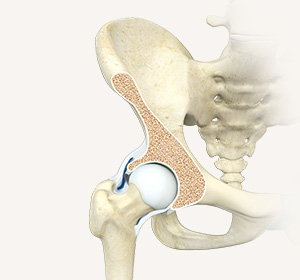
Post-traumatic hip arthritis is a type of arthritis that develops in the hip joint after an injury to the hip. Damage from fractures, dislocations, or severe ligament injuries can affect the cartilage and joint structure. Over time, this damage leads to joint degeneration, pain, stiffness, and reduced mobility in the hip.
What Causes Post-Traumatic Hip Arthritis?
Common causes of post-traumatic hip arthritis include the following:
- Hip fractures – Breaks in the hip bones, especially the femoral head or acetabulum, can damage the joint surface.
- Hip dislocation – When the femoral head moves out of the socket, it can injure cartilage and surrounding tissues.
- Severe cartilage injury – Direct trauma can damage the smooth cartilage that protects the joint.
- Ligament and soft tissue damage – Injury to supporting structures can lead to joint instability.
- Improperly healed fractures – Bones that heal in the wrong position may cause uneven joint stress.
- Repeated hip injuries – Multiple traumas over time increase the risk of joint degeneration.
- Post-surgical complications – Previous hip surgery after trauma may alter joint mechanics.
What are the Signs and Symptoms of Post-Traumatic Hip Arthritis?
Signs and symptoms of post-traumatic hip arthritis include the following:
- Hip pain that worsens with walking, standing, or physical activity
- Stiffness in the hip joint, especially after resting or in the morning
- Reduced range of motion in the hip
- Difficulty walking or climbing stairs
- Grinding or clicking sensation in the hip joint
- Swelling or tenderness around the hip area
- Limping while walking due to pain or instability
- Pain that may spread to the groin, thigh, or buttock
How is Post-Traumatic Hip Arthritis Diagnosed?
Post-traumatic hip arthritis is diagnosed through a combination of medical history, physical examination, and imaging tests.
- Medical history: The doctor asks about past hip injuries, fractures, or dislocations and current symptoms such as pain, stiffness, or difficulty walking.
- Physical examination: The hip joint is checked for tenderness, swelling, limited range of motion, and walking abnormalities.
- X-rays: These help identify joint space narrowing, bone spurs, or structural changes in the hip.
- MRI scan: Provides detailed images of cartilage, soft tissues, and early joint damage.
- CT scan: May be used to evaluate complex bone injuries or previous fractures affecting the joint.
These tests help confirm the diagnosis and determine the severity of joint degeneration.
How is Post-Traumatic Hip Arthritis Treated?
Post-traumatic hip arthritis treatment focuses on relieving pain, improving hip function, and slowing further joint damage. The choice of treatment depends on the severity of the condition and the patient’s symptoms.
Treatment options include the following:
- Medications: Pain relievers and anti-inflammatory drugs help reduce pain and swelling.
- Physical therapy: Exercises strengthen the muscles around the hip and improve flexibility and mobility.
- Activity modification: Avoiding high-impact activities can help reduce stress on the hip joint.
- Assistive devices: Using a cane or walker may help reduce pressure on the hip while walking.
- Injections: Corticosteroid injections may help reduce inflammation and provide temporary pain relief.
- Surgical treatment: In severe cases, procedures such as hip arthroscopy, osteotomy, or total hip replacement may be recommended to restore joint function and relieve pain.
For more information about our services or to schedule an appointment, call us at or click here to request an appointment online. We'll respond to you as soon as possible.
-
Send a Referral
-
Send Medical Records
-
Additional InquiresEmail us at [email protected]