Hip Pain
Colorado Springs Orthopaedic Group
Your hips support your body and help you walk, move, exercise, and perform everyday activities. Hip pain can develop from an injury, overuse, arthritis, or other conditions and may gradually limit your mobility and quality of life.
CSOG provides comprehensive care for a wide range of hip conditions, from sports injuries and tendon problems to arthritis, fractures, and degenerative joint conditions. Treatment may include physical therapy, medications, injections, activity modification, minimally invasive procedures, or hip replacement when appropriate.
Our specialists focus on finding the underlying cause of your symptoms and determining the most appropriate treatment for your needs. Whether you require nonsurgical care or advanced surgical treatment, our goal is to relieve pain, improve mobility, and help you return to the activities you enjoy.
What is Hip Pain?
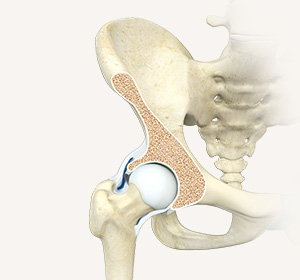
Hip pain, one of the common complaints, may not always be felt precisely over the hip joint rather in and around the hip joint. The cause for pain is multifactorial and the exact position of your hip pain suggests the probable cause or underlying condition causing it.
What are the Causes of Hip Pain?
Pain felt inside the hip joint or your groin area is more likely to be because of the problems within the hip joint. Likewise, the pain felt on the outer side of your hip, upper thigh or buttocks may be a result of the problems of the muscles, ligaments, tendons and soft tissues surrounding the hip joint. However, certain disease conditions affecting other parts of your body such as lower back or knees also cause hip pain.
The main cause of sudden pain in the hip is an injury resulting in the fracture of the hip bone. Hip fractures are common in the elderly because the bones wear out as age advances. Other causes of hip pain may include:
- Arthritis
- Bursitis
- Infection
- Low back pain
- Osteonecrosis of the hip
- Sprains or strains
- Tendinitis (tendon inflammation) resulting from repetitive use
How is Hip Pain Diagnosed?
Your doctor will evaluate your condition based on your medical history, a physical examination of the hip and thigh region, and diagnostic tests including X-rays and other scans.
What is the Treatment for Hip Pain?
Self-care and pain-relieving anti-inflammatory medications offer symptomatic relief. However, the exact cause for the pain needs to be addressed. Practicing certain measures can avoid aggravation of pain and improve the quality of life. Avoiding physical activities that may worsen the pain, stretching the quadriceps and hamstring muscles, performing warm-up exercises before your actual exercise regimen can help improve your condition. Applying ice packs over the region for about 15 minutes, three to four times daily can reduce both pain and swelling. But if you have an injury with severe hip pain and swelling, talk to your orthopedic surgeon immediately for better treatment outcomes.
For more information about our services or to schedule an appointment, call us at or click here to request an appointment online. We'll respond to you as soon as possible.
-
Send a Referral
-
Send Medical Records
-
Additional InquiresEmail us at [email protected]