Hip Bursectomy
Colorado Springs Orthopaedic Group
Your hips support your body and help you walk, move, exercise, and perform everyday activities. Hip pain can develop from an injury, overuse, arthritis, or other conditions and may gradually limit your mobility and quality of life.
CSOG provides comprehensive care for a wide range of hip conditions, from sports injuries and tendon problems to arthritis, fractures, and degenerative joint conditions. Treatment may include physical therapy, medications, injections, activity modification, minimally invasive procedures, or hip replacement when appropriate.
Our specialists focus on finding the underlying cause of your symptoms and determining the most appropriate treatment for your needs. Whether you require nonsurgical care or advanced surgical treatment, our goal is to relieve pain, improve mobility, and help you return to the activities you enjoy.
What is Hip Bursectomy?
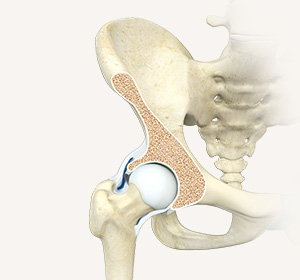
A hip bursectomy is a surgical procedure to remove an inflamed or irritated bursa in the hip. The bursa is a small fluid-filled sac that helps reduce friction between bones, tendons, and muscles. When it becomes inflamed (bursitis) due to overuse, injury, or underlying conditions like arthritis, it can cause chronic pain and limit mobility.
Types of Hip Bursectomy
Hip bursectomy can be performed either through a traditional open surgical approach or a minimally invasive arthroscopic approach.
- Open Bursectomy – Traditional surgery performed with a larger incision.
- Arthroscopic (Minimally Invasive) Bursectomy – Performed using a small camera and instruments through tiny incisions.
Indications for Hip Bursectomy
Hip bursectomy is typically recommended when:
- Conservative treatments, such as rest, physical therapy, anti-inflammatory medications, and corticosteroid injections have failed
- The bursitis becomes chronic and significantly affects mobility
- There is calcification, thickening, or infection of the bursa
- The patient has recurring pain despite non-surgical treatments
Procedure for Hip Bursectomy
Hip bursectomy is usually performed using general anesthesia, meaning you will be asleep throughout the procedure. In some cases, regional or local anesthesia may be employed.
Open Hip Bursectomy (Traditional Surgery)
This is the more invasive approach, typically used if the bursa is severely inflamed, has significant scarring, or if other hip structures need repair.
- A 3-6 cm incision is made over the greater trochanter (the bony prominence on the outer hip).
- The surgeon carefully moves aside muscles and tendons to expose the inflamed trochanteric bursa.
- The entire bursa is excised to eliminate the source of inflammation.
- If needed, damaged tendons, thickened tissue, or bone spurs may also be smoothed, repaired, or removed.
- The incision is closed with sutures or staples, and a sterile dressing is applied.
Arthroscopic Hip Bursectomy (Minimally Invasive)
This approach is less invasive and offers faster recovery with smaller incisions. An arthroscope is a small, fiber-optic instrument consisting of a lens, light source, and video camera. The camera displays images of the inside of the joint onto a monitor, allowing your surgeon to assess any damage and perform a repair.
- Two to three small 1 cm incisions are made around the hip.
- An arthroscope is inserted into the joint to visualize the bursa and surrounding structures.
- Specialized arthroscopic instruments are used to shave away or excise the bursa.
- If necessary, tendon or bone work may also be performed. This may involve repairing the damaged tendon, such as gluteus medius tears, or trimming the bone spurs.
- The joint is flushed with saline to remove debris, and the incisions are closed with sutures or adhesive strips.
Postoperative Care and Recovery
After hip bursectomy, patients are monitored in a recovery area before being discharged home the same day (for arthroscopic procedures) or after a short hospital stay (for open surgery). Pain management includes oral pain relievers, anti-inflammatory medications, and sometimes ice therapy to reduce swelling. Patients are advised to limit weight-bearing activities initially, often using crutches or a walker for support. A physical therapy program begins early, focusing on gentle range-of-motion exercises, followed by progressive strengthening to restore hip function. Stitches or skin adhesives are removed within 10-14 days, and patients can typically resume light activities within 4-6 weeks, with full recovery taking up to 3 months for open surgery. Avoiding excessive hip strain and following a structured rehab plan is crucial for optimal healing and preventing bursitis recurrence.
Risks and Complications
Risks and complications associated with hip bursectomy include:
- Infection
- Persistent pain or stiffness
- Recurrence of bursitis
- Nerve or tissue damage
- Blood clots or deep vein thrombosis (DVT)
- Anesthesia-related risks
For more information about our services or to schedule an appointment, call us at or click here to request an appointment online. We'll respond to you as soon as possible.
-
Send a Referral
-
Send Medical Records
-
Additional InquiresEmail us at [email protected]