Gluteus Medius Tear
Colorado Springs Orthopaedic Group
Your hips support your body and help you walk, move, exercise, and perform everyday activities. Hip pain can develop from an injury, overuse, arthritis, or other conditions and may gradually limit your mobility and quality of life.
CSOG provides comprehensive care for a wide range of hip conditions, from sports injuries and tendon problems to arthritis, fractures, and degenerative joint conditions. Treatment may include physical therapy, medications, injections, activity modification, minimally invasive procedures, or hip replacement when appropriate.
Our specialists focus on finding the underlying cause of your symptoms and determining the most appropriate treatment for your needs. Whether you require nonsurgical care or advanced surgical treatment, our goal is to relieve pain, improve mobility, and help you return to the activities you enjoy.
What is the Anatomy of the Gluteus Medius Muscle?
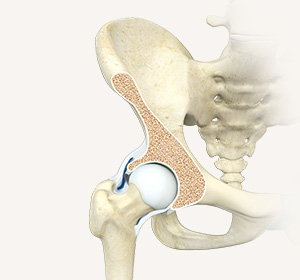
The gluteus medius is one of the major muscles of the hip; essential for the movement of the lower body and keeping the pelvis level during ambulation. The gluteus medius muscle arises from the top of the pelvic bone and attaches to the outer side of the thighbone or femur at the greater trochanter by the gluteus medius tendon. The muscle functions as a hip abductor, controlling side-to-side movement of the hip and providing stabilization to the joint.
What is a Gluteus Medius Tear?
A gluteus medius tear is the partial or complete rupture of the gluteus medius muscle due to severe muscle strain. Gluteus medius tears often occur at the tendinous attachment to the greater trochanter of the femur bone.
What are the Causes of Gluteus Medius Tears?
The tear or rupture of the gluteus medius muscle is commonly seen in runners and athletes involved in high-impact sports such as soccer or basketball. It can occur from sudden bursts of activity and poor flexibility of the gluteus muscle. Any traumatic or overuse injury or degenerative changes can also lead to partial or complete tearing of the gluteus muscle.
What are the Symptoms of Gluteus Medius Tears?
The symptoms of a gluteus medius tear involve pain and tenderness over the lateral aspect of the hip, which may be aggravated with activities such as running, climbing stairs, prolonged sitting or walking, and lying on the affected side of the hip. One of the main symptoms of a gluteus medius tear is the presence of Trendelenburg’s sign, evidenced by dropping of the pelvis towards the unaffected side during ambulation from being unable to properly bear weight on the affected limb.
How are Gluteus Medius Tears Diagnosed?
The diagnosis of a torn gluteus medius muscle starts with a physical examination, which includes palpation of the affected muscle, testing muscle strength and assessing your walking pattern or gait. Special tests such as single-leg squat test or positive Trendelenburg’s sign confirms the diagnosis of a gluteus medius tear. MRI or ultrasound may be helpful to view the pathological changes of the muscle.
What is the Treatment for Gluteus Medius Tears?
The aim of treatment is to restore the normal function of the gluteus medius muscle. Immediately following the rupture, RICE therapy is initiated and involves:
- Rest
- Ice
- Compression
- Elevation
Medications such as non-steroidal anti-inflammatory drugs (NSAIDs) and steroid injections may be administered to reduce the pain and inflammation. You should use a pillow between your legs when sleeping and avoid positions that overstretch the muscle. Assistive devices such as a cane or crutches may be used temporarily to facilitate pain-free ambulation.
Surgical treatment may be recommended to repair a complete, full-thickness gluteus medius tear. The surgery can be performed endoscopically through tiny incisions to reattach the torn tendon back onto the greater trochanter with stitches. This helps to restore strength and function to the gluteus medius muscle.
For more information about our services or to schedule an appointment, call us at or click here to request an appointment online. We'll respond to you as soon as possible.
-
Send a Referral
-
Send Medical Records
-
Additional InquiresEmail us at [email protected]