Inpatient Hip Replacement
Colorado Springs Orthopaedic Group
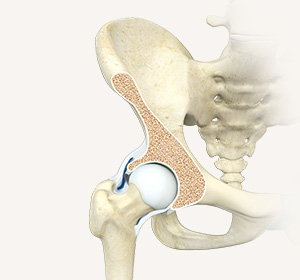
Your hips support your body and help you walk, move, exercise, and perform everyday activities. Hip pain can develop from an injury, overuse, arthritis, or other conditions and may gradually limit your mobility and quality of life.
CSOG provides comprehensive care for a wide range of hip conditions, from sports injuries and tendon problems to arthritis, fractures, and degenerative joint conditions. Treatment may include physical therapy, medications, injections, activity modification, minimally invasive procedures, or hip replacement when appropriate.
Our specialists focus on finding the underlying cause of your symptoms and determining the most appropriate treatment for your needs. Whether you require nonsurgical care or advanced surgical treatment, our goal is to relieve pain, improve mobility, and help you return to the activities you enjoy.
What is Inpatient Hip Replacement?
Inpatient hip replacement surgery refers to a hip replacement or hip arthroplasty surgery where the patient stays in the hospital for at least one or more nights post-surgery. The procedure typically involves replacing the damaged or diseased parts of the hip joint with prosthetic components to alleviate pain and improve mobility. Inpatient hip replacement is typically performed on patients who have more complex cases, underlying health conditions, or a need for extended monitoring during recovery.
What are the Indications for Inpatient Hip Replacement?
Inpatient hip replacement surgery is typically indicated for conditions that can damage the hip joint, such as:
- Severe Osteoarthritis: Advanced cases where the hip joint is significantly damaged, causing chronic pain and restricted mobility, may necessitate an inpatient procedure to ensure optimal recovery.
- Rheumatoid Arthritis: Patients with inflammatory joint diseases often have more complex needs, making an inpatient setting preferable for post-operative care.
- Hip Fractures: Hip fractures, particularly in older patients, often require inpatient hospitalization due to the complexity of the surgery and the increased risk of complications like blood clots or infections.
- Avascular Necrosis: This condition, where the blood supply to the femoral head is compromised, may lead to severe bone damage and the need for inpatient hip surgery.
Candidates for inpatient hip replacement include:
- Those with significant comorbidities, such as heart disease, diabetes, or respiratory conditions.
- Elderly or frail patients who may require extended recovery time.
- Patients undergoing complex or revision hip surgeries.
What is the Procedure for Inpatient Hip Replacement?
Inpatient hip replacement surgery is usually performed under general or regional anesthesia and involves the following steps:
- The surgeon makes an incision over the hip joint. The length of the incision depends on whether traditional or minimally invasive techniques are used.
- The surgeon removes the damaged sections of the hip joint, which typically includes the femoral head (ball of the joint) and the acetabulum (hip socket).
- The surgeon replaces the hip socket with a prosthetic cup, made of metal, plastic, or ceramic.
- The femoral head is replaced with a metal or ceramic ball attached to a stem, which is inserted into the thighbone (femur). This may be cemented into place or press-fit to allow the bone to grow into the implant.
- After placing the prosthetic components, the surgeon checks for proper alignment and range of motion.
- The incision is closed with sutures or staples, and a sterile dressing is applied.
What Does Postoperative Care for Inpatient Hip Replacement Involve?
Postoperative care and recovery after inpatient hip replacement may include the following:
- After hip replacement, the patient is typically placed in assistive devices such as casts, slings, crutches, or walkers to promote healing and facilitate mobility.
- Early mobilization is encouraged, often on the same day or the day after surgery to prevent complications such as blood clots or deep vein thrombosis (DVT).
- The patient may experience pain, swelling, and discomfort in the treatment area. Pain and anti-inflammatory medications are provided as needed to address these.
- The hospital stay typically lasts 2 to 4 days, but this can vary based on the patient's progress and overall health.
- Activity guidelines are provided including refraining from lifting heavy weights and high-intensity activities for a defined period.
- A physical therapy protocol is started to restore range of motion, strength, and function to the hip joint.
- Regular follow-up visits with the surgeon are scheduled to monitor progress and address any concerns.
What are the Risks and Complications of Inpatient Hip Replacement?
Risks and complications associated with inpatient hip replacement include:
- Infection
- Bleeding
- Pain
- Blood clots or deep vein thrombosis (DVT)
- Implant loosening or failure
- Nerve damage
- General anesthesia risks
For more information about our services or to schedule an appointment, call us at or click here to request an appointment online. We'll respond to you as soon as possible.
-
Send a Referral
-
Send Medical Records
-
Additional InquiresEmail us at [email protected]