Slip and Fall Injuries
Colorado Springs Orthopaedic Group
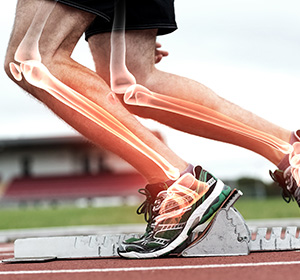
Sports injuries can happen to competitive athletes, active adults, weekend athletes, and anyone who enjoys staying physically active. Whether caused by an acute injury or repetitive stress, these problems can affect your performance and keep you from doing the activities you enjoy.
CSOG provides comprehensive sports medicine care for a wide range of injuries and conditions affecting the joints, muscles, tendons, and ligaments. Our specialists emphasize accurate diagnosis and individualized treatment, with options that may include rehabilitation, physical therapy, injections, minimally invasive procedures, and surgery when necessary.
Our approach is focused not only on treating the immediate injury but also on helping you safely regain strength, mobility, and confidence. The goal is to help you return to your sport or activity at the appropriate stage of recovery.
What are Slip and Fall Injuries?
Slip and fall injuries are defined as physical damage or harm sustained when a person slips, trips, or falls due to hazardous conditions. These incidents can happen in various environments, such as homes, workplaces, public spaces, or commercial properties.
What are the Common Types of Slip and Fall Injuries?
The common types of slip and fall injuries include:
- Fractures and Broken Bones:
- Commonly affected areas include wrists, arms, ankles, knees, and hips
- Sprains and Strains:
- Injuries to muscles, ligaments, or tendons
- Head Injuries:
- Concussions or more severe traumatic brain injuries (TBIs)
- Back and Spine Injuries:
- Herniated discs
- Spinal cord injuries
- Cuts and Bruises:
- Lacerations from sharp objects during a fall
- Bruising from impact
- Shoulder Injuries:
- Dislocations or strains
What are the Common Causes of Slip and Fall Injuries?
The common causes of slip and fall injuries include:
- Wet or Slippery Surfaces:
- Spills on floors
- Recently mopped or waxed floors
- Rain, snow, or ice accumulation
- Uneven or Damaged Flooring:
- Loose or uneven tiles
- Carpeting that is not properly secured
- Cracks or holes in floors or sidewalks
- Obstacles in Pathways:
- Objects left in walkways
- Cluttered areas
- Inadequate Lighting:
- Poorly lit areas that make it hard to see hazards
- Improper Footwear:
- Shoes with poor traction or high heels
- Stairs and Ramps:
- Lack of handrails
- Uneven steps
- Slippery surfaces on stairs or ramps
Diagnosis of Slip and Fall Injuries
Diagnosing slip and fall injuries involves a combination of patient history, physical examination, and diagnostic tests. Your doctor may also order certain imaging studies such as X-rays, MRI, and CT scans for a detailed evaluation of damage to bones and soft tissues, and to confirm the diagnosis.
Treatment for Slip and Fall Injuries
The treatment for slip and fall injuries depends on the type and severity of the injury. Common treatment approaches may include:
- RICE Method for Minor Injuries
- Rest: Avoid putting weight on the injured area.
- Ice: Apply ice packs to reduce swelling and pain (20 minutes on, 20 minutes off).
- Compression: Use an elastic bandage to compress the injured area.
- Elevation: Raise the injured limb above heart level to reduce swelling.
- Pain Management:
- Pain Relievers: Over-the-counter or prescription medications like acetaminophen or ibuprofen.
- Anti-inflammatory Drugs: To reduce swelling and pain.
- Wound Care: Proper cleaning of cuts and abrasions, application of antiseptics, and bandaging. Stitches may be necessary for deeper lacerations.
- Immobilization: Splints, braces, slings, or casts to immobilize the bone or joint and allow it to heal.
- Physical Therapy: Exercises to restore movement, strength, and flexibility.
- Surgery: In severe cases, such as fractures surgical intervention may be needed to realign and fix broken bones with plates, screws, or rods. Surgery is also the treatment of choice for serious tears of the tendons or ligaments such as rotator cuff tears in the shoulder or anterior cruciate ligament tears in the knee.
Prevention of Slip and Fall Injuries
Preventive measures that can help avert slip and fall injuries include:
- Maintain Clean and Dry Floors:
- Promptly clean up spills
- Use proper signage for wet floors
- Repair and Maintain Flooring:
- Fix any uneven or damaged surfaces
- Secure loose carpeting or tiles
- Remove Obstacles:
- Keep walkways clear of clutter and obstacles
- Ensure Proper Lighting:
- Install adequate lighting in all areas, especially in stairways and corridors
- Provide and Encourage Proper Footwear:
- Wear shoes with good traction
- Avoid high heels or other potentially unsafe footwear
- Install Handrails and Non-Slip Surfaces:
- On stairs and ramps, ensure handrails are available and secure
- Use non-slip mats or coatings where necessary
For more information about our services or to schedule an appointment, call us at or click here to request an appointment online. We'll respond to you as soon as possible.
-
Send a Referral
-
Send Medical Records
-
Additional InquiresEmail us at [email protected]