Osteoporosis
Colorado Springs Orthopaedic Group
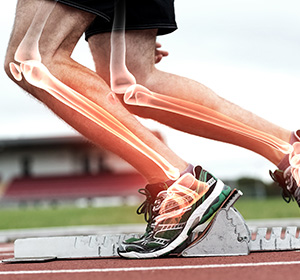
Sports injuries can happen to competitive athletes, active adults, weekend athletes, and anyone who enjoys staying physically active. Whether caused by an acute injury or repetitive stress, these problems can affect your performance and keep you from doing the activities you enjoy.
CSOG provides comprehensive sports medicine care for a wide range of injuries and conditions affecting the joints, muscles, tendons, and ligaments. Our specialists emphasize accurate diagnosis and individualized treatment, with options that may include rehabilitation, physical therapy, injections, minimally invasive procedures, and surgery when necessary.
Our approach is focused not only on treating the immediate injury but also on helping you safely regain strength, mobility, and confidence. The goal is to help you return to your sport or activity at the appropriate stage of recovery.
What is Osteoporosis?
Osteoporosis is a bone disease characterized by a decrease in bone mass and density resulting in brittle, fragile bones that are more susceptible to fractures. It is often called a "silent disease," as a majority of patients may be unaware of their condition until they develop a bone fracture.
Bone is a growing tissue composed mainly of calcium and proteins. Constant reformation of bone takes place as calcium is absorbed by your body. Osteoporosis is a condition in which the calcium from the bone is not replaced when it is removed, forming “porous bones” which cause the bones to become brittle and weak. Therefore, if you have osteoporosis and you fall, you are at a higher risk of breaking a bone. If osteoporosis is not identified and treated appropriately, it can progress without any symptoms until you break a bone (fracture). Fractures associated with osteoporosis may take a very long time to heal or even cause permanent disability.
Who is at Risk of Osteoporosis?
Women are at a higher risk than men for developing osteoporosis. Other factors include:
- Family history of osteoporosis
- Aging
- Thin and small body frame
- Low levels of estrogen and post-menopause
- Certain endocrine disorders such as diabetes
- Medical conditions such as rheumatoid arthritis, cancer, and malabsorption syndromes or malnutrition
- Certain medications such as steroids, immunosuppressants, anticoagulants, antiepileptic, and thyroid suppressive therapy
Diagnosis of Osteoporosis
Osteoporosis can be controlled and the complications can be prevented if detected early. Your doctor will arrive at the diagnosis of osteoporosis based on your medical history, physical examination, and neurological examination to evaluate your muscle strength, reflexes, and sensation. Imaging studies such as X-rays, MRI, CT, and bone scans may be performed. Your doctor may also order a bone densitometry scan, also called dual-energy X-ray absorptiometry (DEXA) to measure your bone density using a very low dose of X-ray.
Treatment of Osteoporosis
Osteoporosis cannot be cured but can be managed. Treatment depends on your age, gender, fracture risk, and bone status. There are different treatment options available for the management of osteoporosis including lifestyle changes, weight-bearing exercises, calcium and vitamin D supplementation, hormone replacement therapy, and medications to stop bone loss and strengthen bones. Pain medications and bracing may be recommended. When conservative methods fail to relieve symptoms, your surgeon may recommend surgical treatment.
Preventing Osteoporosis
Some of the preventive measures that can help reduce your risk of developing osteoporosis include:
- Consume a healthy well-balanced diet
- Get adequate amounts of calcium and vitamin D
- Avoid excessive alcohol intake and smoking
- Exercise regularly
For more information about our services or to schedule an appointment, call us at or click here to request an appointment online. We'll respond to you as soon as possible.
-
Send a Referral
-
Send Medical Records
-
Additional InquiresEmail us at [email protected]