Musculoskeletal Injuries
Colorado Springs Orthopaedic Group
Sports injuries can happen to competitive athletes, active adults, weekend athletes, and anyone who enjoys staying physically active. Whether caused by an acute injury or repetitive stress, these problems can affect your performance and keep you from doing the activities you enjoy.
CSOG provides comprehensive sports medicine care for a wide range of injuries and conditions affecting the joints, muscles, tendons, and ligaments. Our specialists emphasize accurate diagnosis and individualized treatment, with options that may include rehabilitation, physical therapy, injections, minimally invasive procedures, and surgery when necessary.
Our approach is focused not only on treating the immediate injury but also on helping you safely regain strength, mobility, and confidence. The goal is to help you return to your sport or activity at the appropriate stage of recovery.
What are Musculoskeletal Injuries?
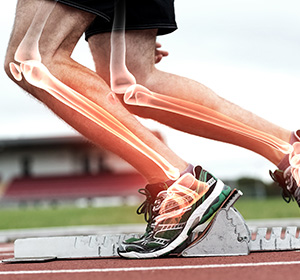
Musculoskeletal injuries are any injuries causing damage to bone, cartilage, muscles, ligaments, tendons, nerves and related structures. They can occur in any area of your musculoskeletal system such as the neck, back, hips, knees, shoulders, or elbows.
Some examples of musculoskeletal injuries include but are not limited to:
- Muscle tendinitis or strains (tears in the muscle fiber)
- Ligament sprains (overstretched ligaments)
- Bursitis and fasciitis (inflammation of the bursa sac and fascia)
- Cartilage damage (often in the knee)
- Bone fractures (due to impact trauma)
- Carpal tunnel syndrome (pain in hand and fingers due to nerve compression)
- Pinched nerves (due to pressure by surrounding tissues)
- Neck tension syndrome (muscle stiffness in the neck)
Causes of Musculoskeletal Injuries
Several factors are responsible for musculoskeletal injuries. Some of them include:
- Heavy physical work, falls, fractures
- Jerking movements, twisting, or overstretching
- Motor vehicle accidents, direct blows, vibrations
- Excessive force (pulling or pushing), dislocations
- Poor or awkward posture
- Prolonged immobilization
- Repetitive movements
- High body mass index (obesity)
- Wear and tear due to overuse
Signs and Symptoms of Musculoskeletal Injuries
Symptoms of musculoskeletal injuries manifest in the form of:
- Pain, redness, swelling or instability at the injury site
- Tightness or tension at the injury site
- Discomfort that worsens with movement or activity
- A burning sensation or a pulled muscle
- Decreased range of motion and loss of function (in severe cases)
What if Musculoskeletal Injuries are left untreated?
If untreated, there can be an increase in pain as time goes on, as well as the risk of improper healing. This can result in an inability to work or perform daily tasks and activities.
How are Musculoskeletal Injuries Diagnosed?
Your doctor may begin the diagnosis with a physical examination. This includes palpating (touching) the affected area and looking for typical symptoms. However, to determine the underlying cause of the pain, the doctor is likely to order imaging tests such as:
- X-rays to take images of the bones
- CT scans for an in-depth look at the bones
- MRIs to assess soft tissues like muscle, cartilage, ligaments, and tendons
Treatment of Musculoskeletal Injuries
Musculoskeletal injuries need immediate attention. Priority should be to bring pain and swelling under control as quickly as possible.
Most mild to moderate musculoskeletal injuries can be treated with the RICE method which involves:
- Rest: Adequate rest to ensure healing of the injured tissue
- Ice: Placing an ice bag or a cold gel pack on the area to reduce pain and inflammation
- Compression: Applying bandages or wraps to minimize swelling of the injured area
- Elevation: Keeping the injured part raised above the heart level to reduce pain and swelling
The RICE method, when combined with over-the-counter pain relief, is known to be effective in most cases.
However, different types of physiotherapy or occupational therapy may also be used to treat the injuries. Medications such as nonsteroidal anti-inflammatories (NSAIDs) can also be an option.
If the pain and swelling do not begin to go down after the RICE treatment, the injury may require more intensive treatment and possibly surgery.
Prevention of Musculoskeletal Injuries
You should follow safe measures when performing everyday activities and observe good body mechanics. Maintaining a tall posture, being careful when picking up heavy objects, and keeping repetitive motion to a minimum will go a long way to prevent musculoskeletal injuries.
For more information about our services or to schedule an appointment, call us at or click here to request an appointment online. We'll respond to you as soon as possible.
-
Send a Referral
-
Send Medical Records
-
Additional InquiresEmail us at [email protected]