

Robotic-Assisted Joint Replacement
Robotic-Assisted Joint Replacement in Colorado Springs, CO
If chronic hip or knee pain caused by arthritis is limiting your mobility and quality of life, robotic-assisted joint replacement may provide a highly precise and effective treatment solution. At Colorado Springs Orthopaedic Group (CSOG), our joint replacement specialists utilize advanced robotic-assisted technology to perform personalized hip and knee replacement procedures for patients throughout Colorado Springs and Southern Colorado. By combining the expertise of experienced orthopedic surgeons with sophisticated robotic guidance, we can improve implant positioning, enhance surgical accuracy, and help patients achieve excellent long-term outcomes. Our goal is to relieve pain, restore mobility, and help you return to the activities you enjoy with greater confidence and comfort.
-
Send a Referral
-
Send Medical Records
-
Additional InquiresEmail us at [email protected]
Colorado Springs Orthopaedic Group
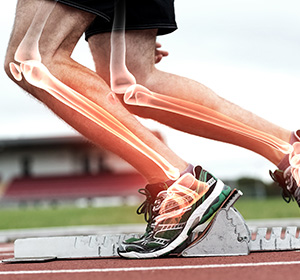
Sports injuries can happen to competitive athletes, active adults, weekend athletes, and anyone who enjoys staying physically active. Whether caused by an acute injury or repetitive stress, these problems can affect your performance and keep you from doing the activities you enjoy.
CSOG provides comprehensive sports medicine care for a wide range of injuries and conditions affecting the joints, muscles, tendons, and ligaments. Our specialists emphasize accurate diagnosis and individualized treatment, with options that may include rehabilitation, physical therapy, injections, minimally invasive procedures, and surgery when necessary.
Our approach is focused not only on treating the immediate injury but also on helping you safely regain strength, mobility, and confidence. The goal is to help you return to your sport or activity at the appropriate stage of recovery.
What is Robotic-Assisted Joint Replacement?
Robotic-assisted joint replacement is a minimally invasive surgical procedure and an alternative to traditional joint replacement surgery that utilizes robotic arm technology to improve accuracy and precision during a joint replacement.
A joint is an articulation (junction) between 2 or more bones in the body. Muscles, tendons, ligaments, cartilage, and other soft tissue structures hold the joint in position. A robotic-assisted joint replacement is similar to a traditional joint replacement surgery. Joint replacement surgery, also called joint arthroplasty, is a surgical procedure in which the worn-out or damaged parts of the joint are removed and replaced with artificial joints called prostheses or implants. The difference with robotic-assisted joint replacement is that the procedure is performed with the assistance of a robotic arm or handheld robotic device that allows for greater precision in implant placement, better implant fit, and better results than traditional surgery. The two most common robotic-assisted joint replacement surgeries are knee replacement and hip replacement.
Indications for Robotic-Assisted Joint Replacement
Robotic-assisted joint replacement surgery is usually indicated as a treatment option for patients with damaged joints, most commonly from degenerative joint disease, such as osteoarthritis, that is not responsive to conservative treatment like medications. Osteoarthritis is a degenerative joint disease that causes breakdown and eventual loss of cartilage in the joint, making the bones rub against each other, and leading to painful movement.
Robotic-assisted joint replacement surgery is also especially good for patients with challenging needs, trauma, or prior surgeries to their joints.
Preparation for Robotic-Assisted Joint Replacement
The preoperative preparation for robotic-assisted joint replacement surgery is similar to traditional joint replacement procedures. But contrary to traditional joint replacement techniques, the robotic technique utilizes a series of CT scans to generate 3D images of an individual’s unique joint anatomy, such as a knee or hip joint, which helps to create an exact plan for how much bone to remove and where to position the metal implants. These images enable the surgeon to design a personalized plan based on the specifics of an individual’s joint anatomy prior to performing the surgery.
Additional pre-surgery preparation may involve the following steps:
- A thorough history and physical examination
- Routine diagnostic tests such as blood work and urinalysis
- Informing your doctor about medications or supplements you are taking
- Informing about allergies to any medications, anesthesia, or latex (which can be found in surgical gloves)
- Disclosing any recent illnesses or other medical conditions, which may impact the surgery
- Refraining from some medications such as blood thinners and supplements, if contraindicated for the procedure
- Refraining from solids or liquids at least 8 hours prior to surgery
- Arranging for someone to drive you home following surgery
- Signing an informed consent form after the pros and cons of the surgery have been explained
Procedure for Robotic-Assisted Joint Replacement
In general, a robotic-assisted joint replacement procedure is similar to a traditional joint replacement, but is performed with the help of a hand-held robotic system. The robotic system does not perform the procedure on its own. The surgery is performed entirely by your surgeon by prompting the robotic hands based on the surgeon’s personalized plan. The robotic surgical system is an additional tool to guide your surgeon to ensure personalized adjustments wherein your surgeon can make micro-adjustments to the planned bone cuts to achieve a perfectly balanced joint, greater accuracy in implant sizing, position, and rotation, as well as greater precision in the placement of joint implants.
Robotic-assisted joint replacement surgery is usually done under general anesthesia with you appropriately placed on the operating table. A 4- to 6-inch incision is made over the treatment area, such as a hip or knee, to expose the joint, as opposed to a 10- to 12-inch long incision required for a traditional joint replacement. Supporting structures of the joint are gently moved out of the way, allowing removal of damaged cartilage and bone tissue from joint surfaces. Using CT scans, the robotic arm can work from 3D images of the surgical area and perform a range of tasks, such as preparing the bone, introducing the implant, balancing the implant, and checking for the right fit. It utilizes a camera and optical trackers that are secured to the patient's treatment area to determine the exact position of the joint during surgery. The active robotic sensors map the replacement location and proceed with autonomous resection with the utmost precision. The machine alerts the surgeon to movement and guides them to place the prosthetics at the exact location. The muscles are then approximated, and the incision is closed and covered with a sterile dressing. The robotic system ensures that the surgical plan designed by your surgeon is carried out without any changes and with a high degree of precision.
Postoperative Care and Recovery
Following surgery, you will require pain management with medications and ice packs. Antibiotics may also be recommended to prevent the risk of surgery-related infection. Incision site care and bathing instructions will be provided to keep the wound clean and dry. You should refrain from strenuous and heavy lifting activities for a defined period. A brace, sling, or immobilizer may be recommended to protect the repair. The healing process may take anywhere from 8 to 12 weeks. You will require the use of assistive devices such as crutches and walkers until you are able to walk without assistance. A physical therapist will teach you specific exercises to strengthen your joint muscles and optimize joint motion/function. You should be able to resume your normal activities in a couple of months. Follow-up appointments will be scheduled to monitor your progress.
Risks and Complications
Robotic-assisted joint replacement is a relatively safe procedure; however, as with any surgery, there are risks and complications that can occur, such as:
- Pain
- Bleeding
- Infection
- Stiffness
- Instability
- Leg-length discrepancy
- Blood clots or deep vein thrombosis (DVT)
- Allergic/anesthetic reactions
- Injury to adjacent soft-tissue structures, such as nerves and blood vessels
Benefits
Some of the benefits of robotic-assisted joint replacement over traditional joint replacement surgery include:
- Smaller incision
- Reduced blood loss
- Minimal postoperative pain
- Minimal muscle trauma/scarring
- Personalization and precision
- Micro-adjustments to improve implant positioning and limb alignment
- Improved implant longevity
- Eliminates the risk of damage to healthy ligaments, bone, and other surrounding tissue
- Shorter hospital stay
- Faster recovery
- Lower risk of revision replacement
- Higher patient satisfaction
For more information about our services or to schedule an appointment, call us at or click here to request an appointment online. We'll respond to you as soon as possible.










Why Choose Colorado Springs Orthopaedic Group for Robotic-Assisted Joint Replacement?
Colorado Springs Orthopaedic Group is committed to delivering advanced orthopedic care through innovative technologies and personalized treatment approaches. Our experienced joint replacement specialists utilize robotic-assisted surgical systems to enhance precision, improve implant alignment, and optimize patient outcomes. By combining advanced technology with decades of orthopedic expertise, we help patients achieve improved function, reduced pain, and a smoother recovery experience.
Patients choose CSOG for robotic-assisted joint replacement because we offer:
- Experienced joint replacement surgeons with advanced robotic surgery expertise
- Personalized preoperative planning using detailed 3D imaging
- Enhanced precision in implant sizing, positioning, and alignment
- Advanced minimally invasive surgical techniques when appropriate
- Comprehensive evaluation and diagnostic imaging services
- Integrated physical therapy and rehabilitation programs
- Multiple convenient locations throughout Colorado Springs
- Coordinated care from consultation through recovery
- A patient-centered approach focused on long-term joint health and mobility
Robotic-Assisted Joint Replacement FAQs
Schedule a Robotic-Assisted Joint Replacement Consultation in Colorado Springs, CO
If hip or knee arthritis is preventing you from enjoying an active lifestyle, the joint replacement specialists at Colorado Springs Orthopaedic Group can help. Our team offers advanced robotic-assisted joint replacement solutions designed to improve surgical precision, reduce pain, and restore mobility.
Contact CSOG today to schedule a consultation at one of our convenient Colorado Springs locations. Our experienced orthopedic specialists proudly serve patients throughout Colorado Springs and Southern Colorado with innovative joint replacement care focused on helping patients move more comfortably, recover confidently, and return to the activities they love.