Muscle Spasms (Cramps)
Colorado Springs Orthopaedic Group
Sports injuries can happen to competitive athletes, active adults, weekend athletes, and anyone who enjoys staying physically active. Whether caused by an acute injury or repetitive stress, these problems can affect your performance and keep you from doing the activities you enjoy.
CSOG provides comprehensive sports medicine care for a wide range of injuries and conditions affecting the joints, muscles, tendons, and ligaments. Our specialists emphasize accurate diagnosis and individualized treatment, with options that may include rehabilitation, physical therapy, injections, minimally invasive procedures, and surgery when necessary.
Our approach is focused not only on treating the immediate injury but also on helping you safely regain strength, mobility, and confidence. The goal is to help you return to your sport or activity at the appropriate stage of recovery.
What are Muscle Spasms (Cramps)?
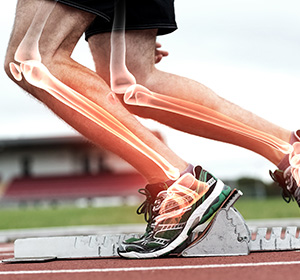
Muscle spasms (cramps) are a sudden, involuntary, and often painful contraction of a muscle or group of muscles. It usually occurs without warning and can last from a few seconds to several minutes. During a cramp, the affected muscle becomes tight, hard, and difficult to move. Muscle cramps commonly affect the legs, especially the calf muscles, but can also occur in the feet, thighs, hands, or back.
What are the Causes of Muscle Spasms (Cramps)?
Muscle spasms (cramps) occur due to sudden, involuntary muscle contractions. Common causes include muscle overuse or fatigue, dehydration, and electrolyte imbalances such as low potassium, calcium, or magnesium. Poor blood circulation, nerve compression, prolonged sitting or standing, and pregnancy can also trigger cramps. Certain medications and underlying medical conditions, like diabetes or thyroid disorders, may contribute as well.
What are the Signs and Symptoms of Muscle Spasm (Cramps)?
The signs and symptoms of a muscle spasm (cramp) typically include:
- Sudden, sharp, or intense pain in a muscle
- A hard or tight lump in the affected muscle
- Visible muscle twitching or tightening
- Temporary inability to move the muscle properly
- Muscle soreness or tenderness after the cramp subsides
How are Muscle Spasms (Cramps) Diagnosed?
Muscle spasms (cramps) are diagnosed mainly through medical history and physical examination. The doctor asks about symptoms, frequency, duration, lifestyle habits, hydration, and medications. Usually, no special tests are required. If cramps are frequent or severe, blood tests may be ordered to check electrolyte levels, thyroid function, or blood sugar. Nerve studies or imaging may be done if underlying nerve problems are suspected.
How is Muscle Spasm (Cramps) Treated?
Immediate Relief Measures:
- Gentle stretching of the affected muscle
- Light massage to relax tight fibers
- Applying heat (to relax muscles) or ice (to reduce pain and inflammation)
- Resting the muscle
- Drinking water or electrolyte fluids if dehydration is suspected
Medical Treatment (if needed):
- Pain relievers such as over-the-counter NSAIDs
- Muscle relaxant medications for severe spasms
- Magnesium or other electrolyte supplements (if deficiency is present)
- Physical therapy to improve flexibility and strength
- Treatment of underlying conditions (e.g., nerve compression, diabetes, thyroid problems)
Prevention
- Regular stretching exercises
- Adequate hydration
- A balanced diet rich in potassium, calcium, and magnesium
- Avoid prolonged sitting or overexertion
Most muscle spasms improve with simple home care. However, frequent, severe, or persistent cramps may require medical evaluation to identify and treat the root cause.
For more information about our services or to schedule an appointment, call us at or click here to request an appointment online. We'll respond to you as soon as possible.
-
Send a Referral
-
Send Medical Records
-
Additional InquiresEmail us at [email protected]