Concussion Treatment
Colorado Springs Orthopaedic Group
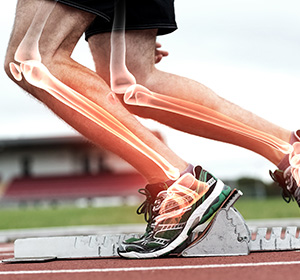
Sports injuries can happen to competitive athletes, active adults, weekend athletes, and anyone who enjoys staying physically active. Whether caused by an acute injury or repetitive stress, these problems can affect your performance and keep you from doing the activities you enjoy.
CSOG provides comprehensive sports medicine care for a wide range of injuries and conditions affecting the joints, muscles, tendons, and ligaments. Our specialists emphasize accurate diagnosis and individualized treatment, with options that may include rehabilitation, physical therapy, injections, minimally invasive procedures, and surgery when necessary.
Our approach is focused not only on treating the immediate injury but also on helping you safely regain strength, mobility, and confidence. The goal is to help you return to your sport or activity at the appropriate stage of recovery.
What is a Concussion?
A concussion is a mild brain injury that can affect normal brain function. It may happen due to direct impact to the head or from sudden jerking movements of the head. A concussion can result in an altered mental state or the individual becoming unconscious.
Symptoms of Concussion
The general symptoms of concussion are:
- Headache
- Nausea
- Dizziness
- Drowsiness
- Tiredness
- Sleep disturbances
- Vision problems
- Concentration difficulties
- Depressive mood
- Nervousness and anxious
- Memory loss
- Temporary unconsciousness (for about a minute)
- Sensitivity to bright light and noise
- Loss of balance
Symptoms that require immediate medical intervention include:
- Severe headache
- Seizures
- Blood discharge from the ears
- Being unconscious for more than a minute
- Difficulty waking from sleep
Causes of a Concussion
Some of the common causes for concussions are:
- Motor vehicle accident
- Falls, bicycle accidents
- A contact sport injury
- Head hit by an object
- Violently shaking the head
Diagnosis of a Concussion
To determine the impact of the injury, your doctor may ask questions about the incident, perform a thorough physical examination, neurological examination, cognition tests, and imaging studies.
Neurological examination includes testing of
- Eye movement
- Reflexes
- Hearing
- Vision
- Strength
- Balance
Cognitive testing includes testing of
- Memory
- Concentration
- Learning ability
- Thinking ability
- Processing of information
Diagnostic imaging tests include
These imaging methods can help identify brain injuries such as swelling, damage, rupture of blood vessels, and altered brain functionality.
- CT Scan (computerized tomography): This is a computerized X-ray study that provides different angles of cross-section brain images, which helps determine extent of the injury.
- EEG (electroencephalogram): This imaging study helps analyze the electrical activity in the brain and brain functionality.
- EMG (electromyogram): This diagnostic procedure helps determine the brain & nerve health.
- MRI scan: This scan uses radiation to capture the detailed brain images.
- X-rays: These help to determine fractures and injury of the cranium.
Treatment and Recovery
- Your doctor may instruct you to have plenty of rest and avoid vigorous physical activities or mental activities that require a lot of concentration, memorization, and thinking.
- Your doctor can prescribe the necessary medications to recover from a concussion.
- Rehabilitations therapy such as balance training, visual exercises, speech therapy, and physical exercises may be recommended.
- In some cases, if there is skull or brain damage, surgery may be performed, but most concussions do not require surgery.
Prevention
The preventive measures to prevent concussions include
- Follow safety measures such as wearing seatbelts while driving
- Use protective gear such as helmets and padding when playing sports
- Exercise regularly, but avoid overexertion
For more information about our services or to schedule an appointment, call us at or click here to request an appointment online. We'll respond to you as soon as possible.
-
Send a Referral
-
Send Medical Records
-
Additional InquiresEmail us at [email protected]