

Osteopenia
Osteopenia Evaluation and Bone Health Management in Colorado Springs
Osteopenia is a condition characterized by lower-than-normal bone density that can increase the risk of fractures and progression to osteoporosis if left untreated. At Colorado Springs Orthopaedic Group, we provide comprehensive bone health evaluations, advanced diagnostic testing, and personalized treatment plans to help patients protect their bone strength and maintain an active lifestyle.
Because osteopenia often develops without noticeable symptoms, early detection is critical. Our orthopedic specialists work closely with patients throughout Colorado Springs and the surrounding communities to identify risk factors, assess bone density, and develop proactive strategies to reduce fracture risk. Whether you have recently received an abnormal bone density test or are concerned about your long-term bone health, our team is dedicated to helping you preserve mobility, independence, and overall wellness.
-
Send a Referral
-
Send Medical Records
-
Additional InquiresEmail us at [email protected]
Colorado Springs Orthopaedic Group
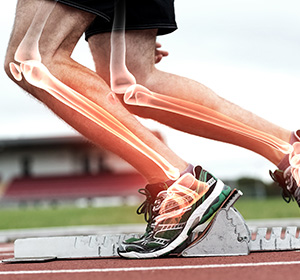
Sports injuries can happen to competitive athletes, active adults, weekend athletes, and anyone who enjoys staying physically active. Whether caused by an acute injury or repetitive stress, these problems can affect your performance and keep you from doing the activities you enjoy.
CSOG provides comprehensive sports medicine care for a wide range of injuries and conditions affecting the joints, muscles, tendons, and ligaments. Our specialists emphasize accurate diagnosis and individualized treatment, with options that may include rehabilitation, physical therapy, injections, minimally invasive procedures, and surgery when necessary.
Our approach is focused not only on treating the immediate injury but also on helping you safely regain strength, mobility, and confidence. The goal is to help you return to your sport or activity at the appropriate stage of recovery.
What is Osteopenia?
Osteopenia is a condition that occurs when bone mass is lost, and the bones become weaker than normal. This occurs when calcium loss causes the insides of your bones to become brittle. If left untreated, the condition can worsen and result in osteoporosis, which increases the risk of fractures.
Causes of Osteopenia
The exact causes of osteopenia are unknown. Factors that may trigger the condition include:
- Genetics
- Eating disorders like anorexia and bulimia
- Untreated celiac disease
- An overactive thyroid
- Exposure to radiation
- Certain medications like hydrocortisone or prednisone and anti-seizure drugs
- A lack of calcium or vitamin D
- Not enough exercise, especially strength training
- Smoking
- Alcohol consumption
- Carbonated beverages
Symptoms of Osteopenia
Osteopenia doesn’t usually cause symptoms. Broken bones and fractures are possible, but they are more likely to occur once you have osteoporosis.
Diagnosis of Osteopenia
A bone mineral density test will be performed by your doctor to determine if you have osteopenia. Bone mineral density is a measurement of bone mass and strength. Dual-energy X-ray absorptiometry (DEXA or DXA) test is the common method of measuring bone mineral density. It measures the density of your bones in your hips, spine, shin, finger, shin, or heel using low-radiation X-rays.
Treatment for Osteopenia
Treatments for osteopenia include:
- Osteopenia Diet: Your doctor will also advise you on how to increase your calcium and vitamin D intake. Calcium is found in dairy products such as yogurt, cheese, and milk. Calcium can also be found in dried beans, salmon, spinach, and broccoli. Calcium, vitamin D, or both may be added to several foods, such as orange juice, bread, and dry cereals. Your doctor may suggest a vitamin D or calcium supplement as well.
- Exercises: Osteopenia can be prevented and treated through exercise. Regular exercise can prevent further bone loss and may improve bone density. Muscle-strengthening and weight-bearing exercises should be included in the workout program. The following are examples of muscle-strengthening exercises:
- Hip Abductor strengthening: Hip abductors help to strengthen your hips and improve your balance. Hold the back of a chair for support while raising your leg to the side and lowering it about 10 times keeping the leg as straight as possible.
- Toe and Heel Raise: Toe and heel raises improve strength and balance in the lower legs. To perform these exercises, rise up on your toes and heels about 10-15 times while holding on to the back of a chair for support. Do these on a daily basis. If you have foot pain, you should do this exercise in shoes.
- Prone Leg Lifts: Prone leg lifts stretch the front of your thighs while strengthening your lower back and buttocks. Lie on your stomach and raise one leg off the floor for a count of 2 seconds. Do about 10 repetitions with each leg. This workout should be done two to three times a week.
Medication
Doctors may recommend medicine if you have been diagnosed with osteopenia and a bone fracture. Bisphosphonates, a class of medicines that works by blocking bone reabsorption, may be prescribed.
Prevention
Osteopenia can be prevented by:
- Stopping smoking
- Drinking alcohol in moderation
- Maintaining a healthy weight
- Getting regular exercise.
- Consuming enough calcium and vitamin D through foods or supplements.
- Reducing phosphate-containing soda
- Limiting salt use
For more information about our services or to schedule an appointment, call us at or click here to request an appointment online. We'll respond to you as soon as possible.







Why Choose Colorado Springs Orthopaedic Group for Osteopenia?
When it comes to protecting your bone health, early intervention and expert guidance can make a significant difference. Colorado Springs Orthopaedic Group offers comprehensive care focused on preventing bone loss and reducing the risk of osteoporosis-related complications.
Patients choose our practice because we offer:
- Comprehensive bone health evaluations and risk assessments
- Advanced DEXA bone density testing referrals and interpretation
- Personalized treatment plans tailored to your health goals
- Guidance on nutrition, calcium, and vitamin D supplementation
- Exercise recommendations to improve bone strength and balance
- Fracture prevention strategies for long-term bone health
- Experienced orthopedic specialists committed to preventive care
- Convenient access to expert orthopedic services in Colorado Springs
Our goal is to help patients identify osteopenia early, strengthen bone health, and prevent progression to osteoporosis whenever possible.
Osteopenia FAQs
Protect Your Bone Health in Colorado Springs
If you have concerns about bone loss, have been diagnosed with osteopenia, or want to learn more about preventing osteoporosis, Colorado Springs Orthopaedic Group is here to help. Our experienced orthopedic team provides personalized evaluations and evidence-based treatment strategies to help you maintain strong, healthy bones.
Contact Colorado Springs Orthopaedic Group today to schedule a bone health consultation and take the next step toward protecting your mobility, independence, and quality of life for years to come.