Patella Stabilization
Colorado Springs Orthopaedic Group
Your knees absorb significant stress with every step, making them particularly vulnerable to injury, overuse, and wear over time. Knee pain can interfere with walking, exercise, work, sports, and many of the activities you enjoy.
CSOG provides comprehensive evaluation and treatment for knee conditions affecting patients of all ages and activity levels. Our specialists treat sports injuries, ligament and meniscus problems, arthritis, fractures, and other conditions using both nonsurgical and surgical approaches.
Depending on your diagnosis, treatment may include physical therapy, medications, injections, bracing, minimally invasive procedures, or surgery. We take your symptoms, activity level, and goals into account when developing your treatment plan, with a focus on reducing pain and helping you regain strength, stability, and function.
What is Patella Stabilization?
Patella stabilization, also known as patella realignment, is a surgical technique used to stabilize recurrent patellar (knee cap) instability. Patellar instability is a condition characterized by damage to the supporting ligaments that may cause the patella to slip out of its groove either partially (subluxation), or completely (dislocation).
What is the Patella?
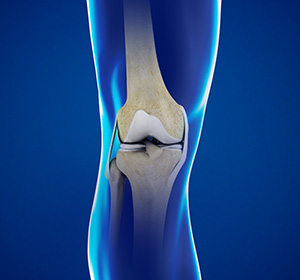
The patella, also known as the kneecap, is a small disc of bone that rests on a groove on the front side of the femoral bone. The patella, along with the lower end of the thigh bone (femur) and the upper end of the shin bone (tibia), make up the knee joint. The patella is located in the quadriceps tendon at the front part of the knee and acts as a pulley that helps in knee movement.
During vigorous physical activity such as high-impact sports, the kneecap may pop out of the groove leading to patellar subluxation or dislocation. This can lead to cartilage damage and impaired knee function if not treated.
What is the Procedure for Patella Stabilization?
On the day of the surgery, your doctor will mark the incision site on the limb. This surgery is usually performed under general anesthesia via a minimally invasive arthroscopic technique. Some of the common surgical procedures that may be performed include:
- Medial Patellofemoral Ligament Reconstruction: In this technique, the damaged medial patellofemoral ligament (MPFL) is removed and reconstructed using a graft taken from the hamstring tendons that is fixed to the patella tendon using screws. The graft is either taken from your own body (autograft) or from a donor (allograft).
- Trochleoplasty: This technique involves lengthening the walls of the trochlear groove or removing any abnormal bony growths, which helps to deepen the groove and provide stability.
- Tibial Tuberosity Osteotomy: This technique involves performing a small incision near the tibial tuberosity. Using a special saw, some of the bone is removed which helps to fix the kneecap in its proper position in the groove. Once the kneecap is in position, the bones are fixed using screws.
What Does Postoperative Care for Patella Stabilization Involve?
After surgery, your doctor will recommend using crutches or a walker to avoid bearing weight on the treated knee. For the first 3-6 weeks, you will have to wear a brace to support the knee. Your doctor will prescribe pain-relief medications and physiotherapy to strengthen joints and increase mobility. Avoid strenuous activities and bearing heavy weights until cleared to do so by your doctor.
What are the Risks and Complications of Patella Stabilization?
Some common risks and complications of patella stabilization include the following:
- Nerve damage
- Blood clots
- Infection
- Stiffness
- Recurring dislocation
For more information about our services or to schedule an appointment, call us at or click here to request an appointment online. We'll respond to you as soon as possible.
-
Send a Referral
-
Send Medical Records
-
Additional InquiresEmail us at [email protected]