Knee Osteoarthritis Treatment
Colorado Springs Orthopaedic Group
Your knees absorb significant stress with every step, making them particularly vulnerable to injury, overuse, and wear over time. Knee pain can interfere with walking, exercise, work, sports, and many of the activities you enjoy.
CSOG provides comprehensive evaluation and treatment for knee conditions affecting patients of all ages and activity levels. Our specialists treat sports injuries, ligament and meniscus problems, arthritis, fractures, and other conditions using both nonsurgical and surgical approaches.
Depending on your diagnosis, treatment may include physical therapy, medications, injections, bracing, minimally invasive procedures, or surgery. We take your symptoms, activity level, and goals into account when developing your treatment plan, with a focus on reducing pain and helping you regain strength, stability, and function.
What is Knee Osteoarthritis Treatment?
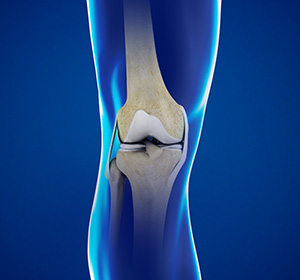
Knee osteoarthritis (OA) treatment refers to the various approaches involved in the treatment of the degenerative joint condition called osteoarthritis. The knee joints are lined by soft articular cartilage that cushion the joints and aid in smooth movement of the joint bones. Knee OA occurs when the cartilage in the knee joint wears down over time, leading to pain, stiffness, swelling, and decreased function. Knee osteoarthritis treatment aims to relieve these symptoms, improve mobility, slow the progression of the degenerative condition, and maintain knee function as much as possible.
What are the Types of Knee Osteoarthritis Treatments?
Lifestyle and Self-Care Measures:
- Weight Management: Reducing body weight helps decrease the stress on the knee joint.
- Exercise: Low-impact activities like swimming, cycling, or walking, along with strength training, improve muscle support around the knee and reduce strain.
Supportive and Assistive Devices:
- Knee Braces or Supports: Help stabilize the knee and reduce stress on affected areas.
- Orthotics: Customized shoe inserts can redistribute weight and relieve pressure on the knee joint.
- Walking Aids (Canes, Walkers): These assist in mobility by reducing the load on the knee.
Medications:
- Over-the-Counter Pain Relievers: Acetaminophen (Tylenol) and NSAIDs like ibuprofen or naproxen are used for mild to moderate pain relief.
- Topical Analgesics: Creams or gels containing capsaicin or diclofenac can be applied directly to the knee for localized pain relief.
- Prescription Medications: Stronger NSAIDs, opioids, or duloxetine may be prescribed when over-the-counter options are insufficient.
Physical Therapy:
- Strengthening exercises targeting the quadriceps and hamstrings, as well as improving joint flexibility, can help stabilize the knee and reduce pain.
- Range-of-Motion Exercises: Help to maintain or improve knee flexibility.
- Manual Therapy: Techniques applied by a physical therapist to improve joint function.
Injection-Based Therapies:
- Corticosteroid Injections: Powerful anti-inflammatory injections that can provide temporary relief of pain and swelling.
- Viscosupplementation (Hyaluronic Acid Injections): Injecting lubricating fluid into the knee to enhance joint movement and relieve pain.
- Platelet-Rich Plasma (PRP): Uses the patient’s own blood components to promote healing and reduce inflammation.
- Stem Cell Therapy: Experimental treatment aimed at regenerating damaged cartilage.
Alternative Therapies:
- Acupuncture: Can reduce pain and improve function for some patients.
- Nutritional Supplements: Glucosamine and chondroitin sulfate are sometimes used, though evidence of their efficacy is mixed.
- Massage and Chiropractic Care: Can help alleviate muscle tension around the knee.
- Hot/Cold Therapy: Alternating between heat and cold packs can reduce pain and inflammation.
Surgical Options:
- Arthroscopy: A minimally invasive procedure where small incisions are made, and damaged tissue is removed or repaired.
- Osteotomy: Realigning the knee joint by cutting the bones to shift weight away from the damaged part of the knee.
- Partial Knee Replacement: Replacing only the most damaged parts of the knee, preserving the rest of the joint.
- Total Knee Replacement: Replacing the entire knee joint with an artificial one when the damage is severe and non-surgical treatments are ineffective.
Each patient’s treatment plan is individualized, often starting with conservative approaches like lifestyle changes and medications, and progressing to more advanced treatments such as surgery when necessary.
For more information about our services or to schedule an appointment, call us at or click here to request an appointment online. We'll respond to you as soon as possible.
-
Send a Referral
-
Send Medical Records
-
Additional InquiresEmail us at [email protected]