N-stride Injection
Colorado Springs Orthopaedic Group
Your knees absorb significant stress with every step, making them particularly vulnerable to injury, overuse, and wear over time. Knee pain can interfere with walking, exercise, work, sports, and many of the activities you enjoy.
CSOG provides comprehensive evaluation and treatment for knee conditions affecting patients of all ages and activity levels. Our specialists treat sports injuries, ligament and meniscus problems, arthritis, fractures, and other conditions using both nonsurgical and surgical approaches.
Depending on your diagnosis, treatment may include physical therapy, medications, injections, bracing, minimally invasive procedures, or surgery. We take your symptoms, activity level, and goals into account when developing your treatment plan, with a focus on reducing pain and helping you regain strength, stability, and function.
What are N-stride Injections?
N-stride injections are used to treat knee osteoarthritis. It is prepared from blood extracted from your body and is rich in anabolic growth factors, special proteins involved in the body’s healing process, and anti-inflammatory proteins responsible for suppressing inflammation in your knee joints.
What is Anatomy of the Knee?
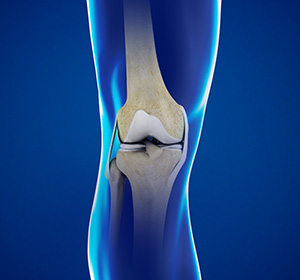
The knee is comprised of three bones – the patella (kneecap), tibia (shinbone) and femur (thighbone) which articulate to form your knee joint. The ends of the bones are covered with a smooth layer of articular cartilage that prevents friction between the knee bones and facilitates smooth movements by helping them to glide over each other.
What is Knee Arthritis?
Knee arthritis is caused from damage to the articular cartilage of your knees. The damaged cartilage causes friction between the bones in the joint leading to symptoms such as pain, swelling and stiffness in the knees which increases over time.
The most common forms of knee arthritis include osteoarthritis, caused due to degenerative wear and tear of the cartilage and rheumatoid arthritis, an autoimmune disease where the body’s immune cells attack the healthy cartilage.
How Does the N-stride Injection work?
People suffering from knee osteoarthritis have increased levels of proteins such as interleukins, C-reactive proteins and tumor necrosis factor-alpha that attack the cartilage cells in their body. Cartilage injury leads to inflammation and osteoarthritis progression.
The N-stride injection has a high concentration of anti-inflammatory cytokines and anabolic growth factors that help heal the damaged cartilage cells and provide relief from osteoarthritis pain and discomfort. It also prevents further cartilage destruction by reversing the effects of the inflammatory proteins in osteoarthritis affected knee joints.
What is the Procedure for N-stride Injection?
Your surgeon draws a blood sample from your arm, which is then centrifuged or spun to separate the plasma, the liquid component of blood, from the solid components including the platelets, red blood cells (RBCs) and white blood cells (WBCs. The plasma is collected and further processed to obtain a concentrated level of anabolic growth factors and cytokines. The fortified plasma sample is then injected into the knee under ultrasound guidance.
The entire procedure may take around 20 to 30 minutes.
What Happens After N-stride Injection?
- You may experience pain relief after one week following the N-stride injection. Take prescribed medications to relieve pain and discomfort in the meantime.
- You should rest your knee for two weeks after which you can resume your regular activities.
What are the Benefits of N-stride Injection?
The N-stride injection is well tolerated and offers the following benefits:
- It is quick and performed in an outpatient setting
- Offers long-lasting results up to 12 months after the procedure
- Suitable for patients who do not want surgery
What are the Risks and Complications of N-stride Injection?
N-stride injection may cause some unwanted effects such as:
- Discomfort and joint pain at the injection site
- Nausea
These symptoms will resolve on their own. However, you should call your doctor if your symptoms increase over time.
For more information about our services or to schedule an appointment, call us at or click here to request an appointment online. We'll respond to you as soon as possible.
-
Send a Referral
-
Send Medical Records
-
Additional InquiresEmail us at [email protected]