Knee Stress Fractures
Colorado Springs Orthopaedic Group
Your knees absorb significant stress with every step, making them particularly vulnerable to injury, overuse, and wear over time. Knee pain can interfere with walking, exercise, work, sports, and many of the activities you enjoy.
CSOG provides comprehensive evaluation and treatment for knee conditions affecting patients of all ages and activity levels. Our specialists treat sports injuries, ligament and meniscus problems, arthritis, fractures, and other conditions using both nonsurgical and surgical approaches.
Depending on your diagnosis, treatment may include physical therapy, medications, injections, bracing, minimally invasive procedures, or surgery. We take your symptoms, activity level, and goals into account when developing your treatment plan, with a focus on reducing pain and helping you regain strength, stability, and function.
What are Knee Stress Fractures?
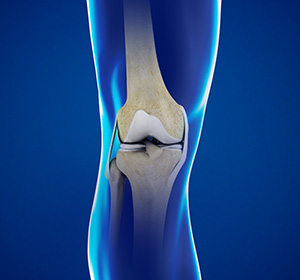
Stress fractures of the patella or knee are very rare. Approximately two out of 10,000 athletes may experience a patella stress fracture. Initial symptoms include activity-related pain and then a fatigue stress fracture after minor trauma. The term insufficiency stress fracture is used for cases where the patella is weakened previously such as after patella resurfacing surgery.
What are the Causes of Stress Fractures of the Knee?
Typically, stress fractures of the knee are caused by:
- Exposures to forces applied in a repetitive, rhythmic, and sub-threshold manner
- Fatigue or insufficiency
- A combination of muscular weakness, which initiates a disturbance in bone remodeling
What are the Signs and Symptoms of Stress Fractures of the Knee?
The main symptom of a stress fracture in the knee involves a worsening anterior knee pain followed by a popping sound if the stress fracture displaces acutely.
How are Stress Fractures of the Knee Diagnosed?
Radiographs (X-rays) are frequently normal. Your doctor may also order a bone scan and MRI to confirm the diagnosis.
What is the Treatment for Stress Fractures of the Knee?
Treatment mainly depends on the extent of the fracture, whether complete or incomplete, or displaced. Incomplete fractures may be treated with activity modification alone. Your doctor may call for an immediate cessation of activities that place stress on the bone.
Additionally, your doctor may recommend:
- Modification of activities in order to relieve symptoms
- Crutches (in mild cases) until the symptoms resolve
- Complete rest if the fracture area is large
Complete fractures require immobilization until healing occurs. For displaced fractures, your doctor may opt for operative reduction and internal fixation to restore natural biomechanics. For full recovery, prolonged rehabilitation will be required.
For more information about our services or to schedule an appointment, call us at or click here to request an appointment online. We'll respond to you as soon as possible.
-
Send a Referral
-
Send Medical Records
-
Additional InquiresEmail us at [email protected]