MCL Tears
Colorado Springs Orthopaedic Group
Your knees absorb significant stress with every step, making them particularly vulnerable to injury, overuse, and wear over time. Knee pain can interfere with walking, exercise, work, sports, and many of the activities you enjoy.
CSOG provides comprehensive evaluation and treatment for knee conditions affecting patients of all ages and activity levels. Our specialists treat sports injuries, ligament and meniscus problems, arthritis, fractures, and other conditions using both nonsurgical and surgical approaches.
Depending on your diagnosis, treatment may include physical therapy, medications, injections, bracing, minimally invasive procedures, or surgery. We take your symptoms, activity level, and goals into account when developing your treatment plan, with a focus on reducing pain and helping you regain strength, stability, and function.
What is the MCL?
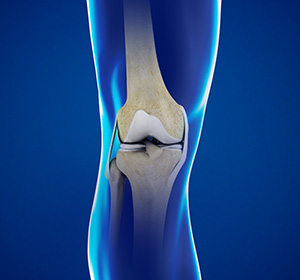
The medial collateral ligament (MCL) is the ligament located on the inner part of the knee joint. It runs from the femur (thighbone) to the top of the tibia (shinbone) and helps in stabilizing the knee.
What are the Causes of MCL Tears?
An MCL injury can result in a stretch, partial tear or complete tear of the ligament. Injuries to the MCL commonly occur because of pressure or stress applied the outside of the knee. The MCL injury can also tear the anterior cruciate ligament (ACL).
What are the Symptoms of MCL Tears?
An MCL tear can be associated with pain, swelling, and locking or catching sensation in the knee during movement. You may also feel as though your knee may buckle or give way suddenly.
How are MCL Tears Diagnosed?
Your doctor will usually diagnose an MCL injury based on a physical examination of your knee. To determine looseness of the ligament, an MCL test may be performed by exerting pressure on the outside of your knee while it is bent at 25 degrees. In addition, imaging tests such as X-rays and MRI scan may be ordered.
What is the Treatment for MCL Tears?
Treatment options include non-surgical and surgical treatment. Non-surgical treatment consists of rest, ice, compression and elevation (RICE protocol), which assists in controlling pain and swelling. A knee brace may be worn to help immobilize your knee. The use of crutches may be recommended to protect and keep you from applying weight on your knee while walking. Physical therapy exercises may be recommended to improve knee motion and strength.
Most often, surgery is not necessary for the treatment of an MCL tear. If needed, it can be performed via an open technique or arthroscopically. In many cases, this injury is difficult to prevent. However, using proper techniques during sports or exercise, along with bracing, can help prevent injury.
For more information about our services or to schedule an appointment, call us at or click here to request an appointment online. We'll respond to you as soon as possible.
-
Send a Referral
-
Send Medical Records
-
Additional InquiresEmail us at [email protected]