Discoid Meniscus
Colorado Springs Orthopaedic Group
Your knees absorb significant stress with every step, making them particularly vulnerable to injury, overuse, and wear over time. Knee pain can interfere with walking, exercise, work, sports, and many of the activities you enjoy.
CSOG provides comprehensive evaluation and treatment for knee conditions affecting patients of all ages and activity levels. Our specialists treat sports injuries, ligament and meniscus problems, arthritis, fractures, and other conditions using both nonsurgical and surgical approaches.
Depending on your diagnosis, treatment may include physical therapy, medications, injections, bracing, minimally invasive procedures, or surgery. We take your symptoms, activity level, and goals into account when developing your treatment plan, with a focus on reducing pain and helping you regain strength, stability, and function.
What is a Discoid Meniscus?
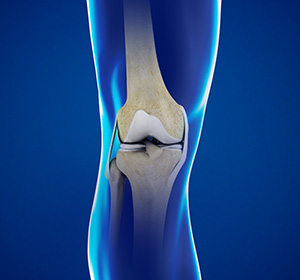
The meniscus is a C-shaped, tough rubbery piece of cartilage situated between the knee bones (femur and tibia), that provides structural integrity for the knee. It acts as a shock absorber and prevents friction between the bones within the knee.
A discoid meniscus is a condition in which the meniscus of the knee is abnormally thick and resembles a disc, as opposed to a normal meniscus, that is shaped like a crescent. This condition increases the risk of injury to the knee. It is mostly seen in the lateral meniscus and with the Asian population. However, it does sometimes occur bilaterally.
What is the Knee Menisci?
There are two menisci present in the knee. One meniscus is situated on the inside called the medial meniscus and the other one is located on the outside, called the lateral meniscus. These two menisci protect the thin articular cartilage that covers the ends of the knee bones, and also helps with easily bending and straightening of the knee.
What are the Types of Discoid Meniscus?
Discoid meniscus can be classified into 3 types:
- Complete Discoid Meniscus: This type of meniscus completely covers the articulating surface of the tibia.
- Incomplete Discoid Meniscus: This type of meniscus is thicker than normal and partially covers the articulating surface of the tibia.
- Hypermobile Weisberg Discoid Meniscus: This type of meniscus does not have any ligament connecting it to the knee bone.
What are the Causes of a Discoid Meniscus?
A discoid meniscus is a rare, congenital condition of unknown cause. Injury to a meniscus often occurs during twisting movements of the knee, or in sports that require sudden changes in direction while running.
What are the Symptoms of a Discoid Meniscus?
Discoid meniscus clinically presents as follows:
- Pain while extending or flexing the knee
- Swelling and redness in the knee
- Audible pop or clicking sound in the knee
- Limited range of knee motion
How is Discoid Meniscus Diagnosed?
A discoid meniscus can be diagnosed based on a discussion of symptoms, medical history, physical examination of the knee and imaging tests of the knee such as an X-ray or MRI scan.
How is Discoid Meniscus Treated?
Treatment of a discoid meniscus in patients who do not have a significant locking sensation in the knee or pain may involve the use of conservative methods such as physical therapy, with stretching and strengthening exercises for the quadriceps and hamstring muscles.
In cases of significant disability, surgical intervention may be needed in cases of severe damage, and may include any of the following: cutting and reshaping the meniscus to its normal C- shape, smoothing the frayed ends of tissue, suturing the torn meniscus and ligament, attaching the meniscus to the joint lining or even complete meniscus removal.
What Happens After Surgical Intervention for Discoid Meniscus?
Most patients return to normal daily activities following surgical repair after a few weeks. A brace or crutches may be needed during the recovery period. If the entire meniscus has been removed, there is a risk for continued pain and also developing early arthritis. In such instances, your doctor might also recommend that you avoid sports such as football, tennis or basketball, as these can overstress the knee with twisting-type movements.
For more information about our services or to schedule an appointment, call us at or click here to request an appointment online. We'll respond to you as soon as possible.
-
Send a Referral
-
Send Medical Records
-
Additional InquiresEmail us at [email protected]