Meniscal Tears
Colorado Springs Orthopaedic Group
Your knees absorb significant stress with every step, making them particularly vulnerable to injury, overuse, and wear over time. Knee pain can interfere with walking, exercise, work, sports, and many of the activities you enjoy.
CSOG provides comprehensive evaluation and treatment for knee conditions affecting patients of all ages and activity levels. Our specialists treat sports injuries, ligament and meniscus problems, arthritis, fractures, and other conditions using both nonsurgical and surgical approaches.
Depending on your diagnosis, treatment may include physical therapy, medications, injections, bracing, minimally invasive procedures, or surgery. We take your symptoms, activity level, and goals into account when developing your treatment plan, with a focus on reducing pain and helping you regain strength, stability, and function.
What is a Meniscus?
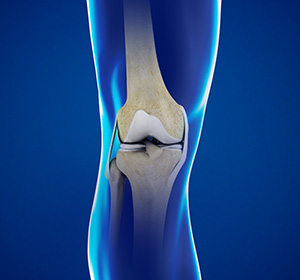
There are two wedge-shaped cartilage pieces present between the thighbone and the shinbone each called a meniscus. The menisci stabilize the knee joint and act as shock absorbers.
What is a Meniscal Tear?
A meniscal tear is a common knee injury in athletes, especially those involved in contact sports. A sudden bend or twist in your knee causes the meniscus to tear. Elderly people are more prone to degenerative meniscal tears as the cartilage wears out and weakens with age.
What are the Symptoms of Meniscal Tears?
A torn meniscus causes pain, swelling, stiffness, or catching or locking sensation in your knee, making you unable to move your knee through its complete range of motion.
How are Meniscal Tears Diagnosed?
Your surgeon will examine your knee and evaluate your symptoms and medical history before suggesting a treatment plan.
How are Meniscal Tears Treated?
The treatment depends on the type, size, and location of the tear, as well your age and activity level. If the tear is small with damage only in the outer edge of the meniscus, non-surgical treatment may be sufficient. However, if the symptoms do not resolve with non-surgical treatment, surgical treatment may be recommended.
Surgical Treatment for Meniscal Tears
Knee arthroscopy is a commonly recommended surgical procedure for meniscal tears.
Surgery can be performed using arthroscopy where a very small camera will be inserted through a very small incision to enable your surgeon to view the inside of your knee on a large screen. The surgery will be performed through other small incisions.
The surgical techniques include meniscus removal (meniscectomy), meniscus repair, and meniscus replacement. During meniscectomy, small instruments called shavers or scissors may be used to remove the torn meniscus. In arthroscopic meniscus repair, the torn meniscus will be pinned or sutured depending on the extent of the tear. Meniscus replacement or transplantation involves the replacement of a torn cartilage with the cartilage obtained from a donor or a cultured patch obtained from a laboratory. It is considered as a treatment option to relieve knee pain if you have undergone meniscectomy.
For more information about our services or to schedule an appointment, call us at or click here to request an appointment online. We'll respond to you as soon as possible.
-
Send a Referral
-
Send Medical Records
-
Additional InquiresEmail us at [email protected]