

Peripheral Nerve Blocks for Joint Pain
Peripheral Nerve Blocks for Joint Pain in Colorado Springs, CO
If chronic joint pain is limiting your mobility and affecting your quality of life, peripheral nerve blocks may offer a safe, effective, and minimally invasive treatment option. At Colorado Springs Orthopaedic Group, our specialists provide advanced pain management solutions, including peripheral nerve blocks, to help patients throughout Colorado Springs and surrounding communities find lasting relief from joint pain.
Peripheral nerve blocks target the specific nerves responsible for transmitting pain signals from affected joints, helping reduce discomfort and improve function. Whether your pain is related to arthritis, a sports injury, joint replacement surgery, or another musculoskeletal condition, our experienced team develops personalized treatment plans designed to restore mobility and help you return to the activities you enjoy.
-
Send a Referral
-
Send Medical Records
-
Additional InquiresEmail us at [email protected]
Colorado Springs Orthopaedic Group
Orthopedic and musculoskeletal pain can affect far more than a specific part of your body. Persistent pain may interfere with movement, sleep, work, exercise, and your ability to enjoy everyday life.
CSOG offers comprehensive pain management as part of an overall approach to treating orthopedic and musculoskeletal conditions. Our specialists work to identify the source of your pain and determine which treatments may provide meaningful relief while helping you maintain or improve function.
Depending on your condition, treatment may include medications, physical therapy, injections, and other nonsurgical approaches. Your treatment plan is individualized based on your symptoms, diagnosis, medical needs, and goals, with the aim of helping you manage pain and return to a more active life.
What are Peripheral Nerve Blocks for Joint Pain?
Peripheral nerve blocks for joint pain are a type of targeted pain management technique where an anesthetic (and sometimes a steroid or other medication) is injected near specific nerves that supply a painful joint. The goal is to block pain signals from reaching the brain, providing relief and improving function.
Peripheral nerves are the nerves outside the brain and spinal cord (the central nervous system). They carry signals between the brain/spinal cord and the rest of the body, helping control movement, sensation, and pain. These nerves connect to muscles, skin, and joints throughout the body. By injecting medication near these nerves, the pain signals are “blocked” or interrupted. The effects can be temporary or long-lasting depending on the medication used and the individual’s condition.
Indications for Peripheral Nerve Blocks for Joint Pain
Peripheral nerve blocks are indicated for managing joint pain in various conditions where conventional treatments may be insufficient. They are commonly used for pain relief in osteoarthritis, rheumatoid arthritis, and after joint surgeries such as knee or shoulder replacements. These blocks are especially helpful in patients experiencing chronic joint pain that does not respond well to medications or physical therapy. They can also be used in traumatic joint injuries or in cases of complex regional pain syndrome (CRPS) to control pain and improve function. Additionally, nerve blocks may serve a diagnostic purpose by helping to pinpoint the exact source of joint pain and can be a valuable option for patients who are not candidates for surgery or wish to delay surgical intervention.
Procedure for Peripheral Nerve Blocks for Joint Pain
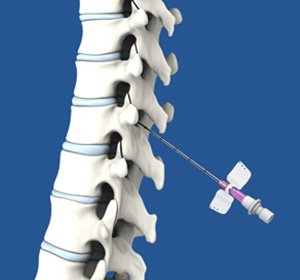
The procedure for a peripheral nerve block begins with the patient positioned comfortably on the procedure table, often lying down depending on the joint being treated. The skin over the injection site is cleaned and sterilized. A local anesthetic may be used to numb the skin. Using ultrasound or fluoroscopic guidance, the clinician inserts a thin needle near the target nerve that supplies the painful joint. Once the needle is correctly positioned, a local anesthetic, sometimes combined with a steroid, is injected to block the nerve signals. The entire procedure typically takes 15–30 minutes.
Post-Procedure Care
After a peripheral nerve block, patients are typically monitored for a short time before going home. It is important to rest the treated area and avoid strenuous activity for the first 24 hours. Numbness or weakness in the affected limb is common and usually temporary, so care should be taken to prevent falls or injury. Patients should avoid driving until sensation and muscle control return. Ice packs may be used to reduce minor swelling or soreness at the injection site. Any signs of infection (redness, warmth, or fever), prolonged numbness, or increased pain should be reported to the healthcare provider. Follow-up may be scheduled to assess pain relief and discuss further treatment options if needed.
Risks and Complications
While peripheral nerve blocks are generally safe, possible issues may include:
- Temporary numbness or weakness
- Infection or bleeding at the injection site
- Allergic reaction (rare)
- In rare cases, nerve injury
Benefits
Benefits of peripheral nerve blocks for joint pain include the following:
- Non-surgical and minimally invasive
- Rapid pain relief
- Helps improve mobility and function
- Can be used to delay or reduce the need for joint surgery
- Reduces the need for opioids
For more information about our services or to schedule an appointment, call us at or click here to request an appointment online. We'll respond to you as soon as possible.


Why Choose Colorado Springs Orthopaedic Group for Peripheral Nerve Blocks for Joint Pain?
Colorado Springs Orthopaedic Group offers comprehensive orthopaedic and pain management care using the latest diagnostic and treatment techniques. Our goal is to help patients achieve meaningful pain relief while minimizing the need for more invasive procedures.
Patients trust our team because we provide:
- Experienced orthopaedic specialists and pain management providers
- Advanced ultrasound and imaging-guided injection techniques
- Personalized treatment plans tailored to your condition and goals
- Comprehensive care for arthritis, sports injuries, and chronic joint pain
- Minimally invasive treatment options that support faster recovery
- A patient-centered approach focused on improving function and quality of life
- Convenient access to specialized orthopaedic care in Colorado Springs
Our team is committed to helping patients reduce pain, improve mobility, and maintain active lifestyles.
Peripheral Nerve Blocks for Joint Pain FAQs
Find Relief from Chronic Joint Pain in Colorado Springs
Joint pain doesn't have to control your daily life. If arthritis, injury, or chronic joint conditions are limiting your mobility and comfort, the specialists at Colorado Springs Orthopaedic Group can help you explore advanced, minimally invasive treatment options such as peripheral nerve blocks.
Schedule a consultation today to learn whether peripheral nerve blocks may be the right solution for your joint pain. Colorado Springs Orthopaedic Group is dedicated to helping you move more comfortably and return to the activities you enjoy.