reat joint injuries and diseases. There are two main procedure types, arthroscopic and laparoscopic surgery.
Arthroscopic Surgery:
Arthroscopic surgery, coming from the Greek word
“artho” meaning “joint”, is a type of surgery for the joints and spine. Arthroscopic procedures
may include surgeries of the hip, foot, ankle, knee, shoulder, elbow, and wrist. During the procedure, the surgeon inserts an
arthroscope through a small incision, which allows them to see the joint area on a video screen. A small remote-control surgical device is then used to operate.
Laparoscopic Surgery:
"
Laparo" means "
flank, side" in Greek. With
laparoscopic surgery, the surgeon uses an endoscopic tool called a
laparoscope.
It's generally used for operations in the spine, abdomen or pelvis. Laparoscopic surgery may include treatment of
wound infections, muscle tears, or hernia repair. Again, the surgeon uses a robot to perform the operation with small surgical tools.You may experience discomfort post-surgery. Therefore, your surgeon will give you detailed recovery and self-care instructions. Prescribed medications and physical therapy may also aid in recovery.
One of the benefits of minimally invasive surgery is that it is usually an outpatient procedure, so you will likely not need to stay overnight. Though, you should always have a friend or relative to help you home after the procedure. Also, avoid strenuous activity for several days. Be sure to rest your body, drink plenty of fluids, and stay comfortable. Your doctor will let you know when you can resume full routine activities.
If you experience unusual pain or have complications, contact your doctor. Likewise, get immediate medical help for dizziness, nausea, or irregular heartbeat.Risks exist with any type of surgery; however, the risks associated with minimally invasive surgery are significantly reduced because of the smaller surgical incisions. Lower risk and faster recovery rates are why doctors prefer this type of surgery to traditional open surgery. Although minimally invasive surgery is typically less risky than conventional surgery, there can still be complications with anesthesia, infection, bleeding, and minimal scarring.
Surgery is a serious medical consideration. Be sure to talk to your doctor about patient safety. It is always important to clarify the risks, beneficial outcomes, and complete medical history before opting for any surgery type.
Our Certified Doctors
At Colorado Springs Orthopaedic Group, we are one of Colorado's largest and most respected orthopaedic practices. Our doctors are highly recommended, and we are known as one of the best centers for minimally invasive surgery. Our doctors have extensive experience in spine and various sports injuries, including total joint, knee scopes, sports injuries, and rotator cuff reconstruction.
Our Specialists for Minimally Invasive Surgery
 Michael J. Huang, MD
Doctor Huang is a board-certified orthopaedic surgeon. He is also a Colorado Springs Top Doc 2018. He specializes in sports injuries and total hips.
>Michael J. Huang, MD
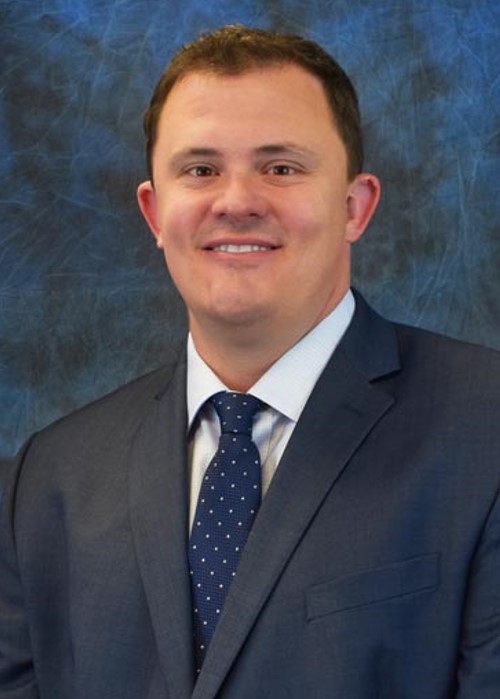 Tyler R. Bron, MD
Doctor Bron is a board-certified orthopaedic surgeon. He specializes in total knees and hips. Dr. Bron has additional training for using the unique CT-guided Mako Robotic Arm for knee replacements.
> Tyler R. Bron, MD
Is Minimally Invasive Surgery Right for You?
If you've been injured or suffer from pain, see a specialist as soon as possible. Sometimes ignoring pain or an injury can make it worse. Call to schedule an appointment with one of our specialists at Colorado Springs Orthopaedic Group. During your initial consultation, our board-certified orthopaedic surgeons work with you to devise the best medical plan.
As every patient and situation is different, surgery may or may not be the best answer.
To learn whether you would be the right candidate for minimally invasive surgery, speak with your orthopaedic surgeon.
Call
(719) 632-7669 now to schedule your appointment.